Health product affiliate programs in the USA offer a lucrative opportunity for marketers to promote a wide range of products, from supplements and fitness gear to skincare solutions. Understanding the intricacies of these programs, from commission structures to legal considerations, is key to success.
This comprehensive guide explores the various facets of health product affiliate marketing in the US. We’ll delve into the key players, popular programs, effective marketing strategies, and crucial legal aspects. Whether you’re a seasoned affiliate or just starting out, this resource provides a solid foundation for navigating this dynamic market.
Overview of Health Products Affiliate Programs in the USA
Affiliate programs for health products in the USA are a popular way for marketers to promote various wellness-related goods and services. These programs allow individuals to earn commissions by recommending products to their audience, creating a mutually beneficial relationship between the affiliate and the product vendor. The market for health products is vast, ranging from dietary supplements and fitness equipment to skincare and wellness services.This overview details the common structure of these programs, highlighting the types of products, commission models, and the benefits for both affiliates and sellers.
Types of Health Products Offered
A diverse range of health products is typically offered through affiliate programs. These encompass dietary supplements, fitness equipment, and personal care products such as skincare. Furthermore, some programs might include wellness services like online coaching or consultations.
- Dietary supplements are a significant category, including vitamins, minerals, protein powders, and herbal remedies.
- Fitness equipment encompasses various items like treadmills, weight sets, yoga mats, and exercise balls.
- Skincare products cover a broad spectrum of items from moisturizers and cleansers to serums and masks.
- Wellness services, including online coaching or consultations for nutrition, fitness, or stress management, are increasingly available through affiliate programs.
Common Commission Structures
Affiliate commission structures for health products typically vary based on the specific program and the product vendor. Common structures include a fixed percentage of the sale price or a tiered commission based on the purchase volume. Some programs might offer a combination of these models, or bonus incentives for reaching specific sales targets.
| Program Type | Product Categories | Commission Structure | Benefits |
|---|---|---|---|
| Typical Supplement Program | Vitamins, minerals, protein powders | Fixed percentage (e.g., 10% of sale price) | Simple commission structure, straightforward to understand and track; commission is consistent across sales. |
| Fitness Equipment Program | Treadmills, weights, yoga mats | Tiered commission (e.g., 15% for first $1,000 in sales, 20% for subsequent sales) | Incentivizes high sales volume; potential for higher earnings for affiliates driving substantial sales. |
| Skincare Program | Moisturizers, cleansers, serums | Performance-based commission (e.g., a bonus for achieving a specific number of sales in a month) | Affiliate performance is rewarded, creating a direct link between sales and earnings; can offer higher earning potential than fixed percentages. |
Benefits for Affiliate Marketers
Affiliate programs offer several benefits for marketers. These include the ability to earn passive income by promoting products aligned with their interests, and the opportunity to build a loyal customer base through targeted marketing efforts.
- Passive Income Generation: Marketers can generate income by promoting products even when they are not actively working. This is because the affiliate commissions are earned whenever a sale is generated through their unique affiliate link.
- Building a Loyal Customer Base: By promoting products that align with their interests and values, affiliates can cultivate a loyal following of customers who trust their recommendations.
- Flexibility and Control: Affiliate marketing offers flexibility in terms of time and location, allowing marketers to manage their programs from anywhere with an internet connection.
Benefits for Product Sellers
Product sellers benefit from affiliate programs by expanding their reach and brand awareness. They can tap into the existing customer base of affiliate marketers, leading to a wider audience for their products.
- Expanded Reach: Affiliate marketers have existing customer bases and networks. Product sellers can leverage this by tapping into these networks to reach a broader audience.
- Reduced Marketing Costs: Affiliate programs provide a cost-effective way to market products, as the responsibility of marketing and reaching potential customers is shifted to the affiliate marketer.
- Improved Brand Awareness: Affiliate programs allow for increased visibility of the products, as they are promoted through various channels and by different affiliates.
Key Players and Market Trends
The health product affiliate market in the USA is a dynamic and lucrative space, with numerous companies vying for a piece of the pie. Understanding the key players, their programs, and the current market trends is crucial for both affiliates and brands looking to capitalize on this sector. This section delves into the major players and the evolving landscape of health product affiliate marketing in the US.The health product affiliate market in the USA is a highly competitive but rewarding space.
A variety of companies offer affiliate programs, targeting specific niches within the health and wellness sector. Success hinges on understanding the unique strengths and weaknesses of each program and adapting strategies to maximize returns.
Major Companies Offering Health Product Affiliate Programs
Numerous companies, ranging from established brands to newer, specialized health supplement companies, offer affiliate programs. Identifying the top players allows affiliates to select programs aligned with their expertise and target audience.
- Large Supplement Retailers: Companies like Vitacost, LuckyVitamin, and Amazon offer comprehensive affiliate programs encompassing a vast range of health products. These programs typically provide a wide selection of products, potentially appealing to a broad audience, but may also involve greater competition for commissions.
- Specialty Health Brands: Companies focused on particular health niches, such as women’s health, men’s health, or specific dietary needs, often have specialized affiliate programs. These programs may attract affiliates with expertise in the targeted area, leading to more focused and effective marketing campaigns. An example is a brand specializing in keto-friendly supplements.
- Direct-to-Consumer (DTC) Brands: Many health product companies directly sell to consumers and offer affiliate programs. These programs frequently provide higher commissions or unique incentives, but may require a more intensive marketing strategy to gain visibility and traffic. An example would be a company promoting natural skincare products.
Comparison of Affiliate Programs
Different companies structure their affiliate programs in diverse ways, influencing their suitability for various affiliates. A comparative analysis of key features provides insights into the most advantageous opportunities.
| Company | Commission Structure | Cookie Duration | Marketing Materials | Support Level |
|---|---|---|---|---|
| Vitacost | Tiered commission based on sales volume | 30 days | Comprehensive marketing materials, including banners and product descriptions | Dedicated affiliate manager |
| LuckyVitamin | Percentage-based commission on sales | 45 days | High-quality product images and detailed product descriptions | 24/7 support via phone and email |
| Amazon | Percentage-based commission on sales | 24 hours | Vast selection of product images and descriptions, along with Amazon’s massive advertising reach | Limited affiliate support, heavily reliant on self-service resources |
Current Market Trends and Future Predictions
The health product affiliate market is continually evolving. Current trends, such as the increasing demand for natural and organic products, influence the programs offered and the affiliate strategies employed.
- Emphasis on Natural & Organic Products: Consumers are increasingly seeking natural and organic health products. Affiliate programs focusing on these categories are experiencing substantial growth.
- Focus on Specific Niches: The market is segmenting into more specific niches. Affiliates specializing in particular health conditions, age groups, or dietary needs are finding success.
- Growing Importance of Influencer Marketing: Health product affiliate marketing increasingly leverages influencer partnerships, which can boost brand visibility and credibility.
- Rise of Subscription Boxes: Affiliate programs that partner with subscription boxes for health and wellness products are emerging as a promising avenue for future growth.
Affiliate Marketing Strategies for Health Products
Affiliate marketing for health products presents a unique opportunity to reach a targeted audience and generate significant revenue. However, ethical considerations and a deep understanding of consumer needs are paramount. Promoting health products requires a nuanced approach, prioritizing transparency and responsible disclosure.Effective affiliate marketing for health products hinges on building trust with potential customers. This involves showcasing the product’s benefits in a clear, informative, and engaging manner while adhering to all relevant regulations and guidelines.
Prioritizing authenticity and avoiding misleading claims is crucial for long-term success and maintaining a positive reputation.
Choosing the Right Health Products
Understanding your target audience is key to selecting appropriate health products for promotion. Consider factors such as their specific needs, lifestyle preferences, and health concerns. Analyzing current market trends and researching successful product launches can also provide valuable insights. A thorough understanding of the product’s benefits, features, and target audience is crucial for effective promotion. Consider the product’s quality, safety certifications, and any potential risks or side effects.
Crafting an Engaging Online Presence
A well-designed website or engaging social media presence is essential for attracting potential customers. High-quality images and videos, coupled with informative product descriptions, can enhance the appeal and credibility of your affiliate links. Providing detailed reviews and testimonials from satisfied customers can further build trust and encourage conversions. Building a community around shared health interests can increase engagement and foster a sense of trust.
Content should focus on providing value to your audience, such as tips, advice, and educational resources.
Driving Traffic and Maximizing Conversions
Driving traffic to your affiliate links is critical for generating sales. Implementing effective strategies, utilizing social media marketing, and running targeted advertising campaigns can all contribute to increasing visibility. Consider incorporating compelling calls to action within your content to encourage clicks and conversions. Analyzing website analytics and social media engagement metrics can help you refine your strategies over time.
Leveraging email marketing and creating exclusive content for your subscribers can further enhance customer engagement and conversions.
Marketing Strategies and Potential Impact
| Marketing Strategy | Potential Impact |
|---|---|
| Content Marketing (Blog posts, articles, videos): | Provides valuable information to attract and engage potential customers, establishing credibility and driving organic traffic. |
| Social Media Marketing (Instagram, Facebook, TikTok): | Targets specific demographics through engaging content, visual appeal, and interactive features, increasing brand awareness and driving traffic to affiliate links. |
| Email Marketing: | Builds an email list and nurtures leads through targeted content and promotions, driving repeat sales and conversions. |
| Paid Advertising (Google Ads, social media ads): | Targets specific s or demographics to reach a wider audience quickly, driving substantial traffic and sales, but requires careful budgeting and optimization. |
| Influencer Marketing: | Leverages the reach and credibility of health-focused influencers to promote products to a targeted audience, potentially generating high conversions and brand trust. |
Legal and Ethical Considerations
Affiliate marketing for health products in the USA demands meticulous adherence to regulations and ethical standards. Navigating this landscape requires a deep understanding of legal boundaries and a commitment to transparent practices. Failure to comply can lead to severe penalties and damage to reputation.A strong ethical framework, combined with rigorous adherence to legal requirements, is essential for building trust and fostering long-term success in this niche.
This section Artikels critical considerations for navigating the legal and ethical complexities of health product affiliate marketing.
Relevant Regulations and Laws
The advertising and marketing of health products in the USA are governed by a complex web of regulations. These regulations aim to protect consumers from misleading or unsubstantiated claims. Key regulatory bodies include the Federal Trade Commission (FTC) and the Food and Drug Administration (FDA). The FTC regulates advertising practices, ensuring truthfulness and avoiding deception. The FDA regulates the safety and efficacy of health products, demanding adherence to strict guidelines.
Understanding and complying with these regulations is paramount.
Potential Ethical Dilemmas and Conflicts of Interest
Affiliate marketers must be vigilant about potential conflicts of interest. Promoting products where personal gain might outweigh consumer benefit presents a significant ethical dilemma. For instance, an affiliate promoting a weight-loss supplement might face a conflict if they haven’t personally experienced the desired results or if they have financial incentives that prioritize sales over consumer well-being. Transparency and disclosure are critical to mitigate these risks.
Disclosure Requirements for Affiliate Links
Full disclosure of affiliate relationships is crucial. Affiliate links related to health products must be clearly and conspicuously disclosed. This includes clearly identifying the affiliate relationship and any potential financial incentives. Consumers must understand that a recommendation is driven, at least in part, by potential compensation. The FTC mandates clear and concise disclosure to avoid misleading consumers.
Avoiding Misleading or Deceptive Practices
Misleading or deceptive practices are strictly prohibited. Affiliate marketers must avoid making unsubstantiated claims or exaggerating the benefits of health products. Testimonials and endorsements should be genuine and representative of actual experiences. Product descriptions must accurately reflect the product’s characteristics and intended use. Avoid exaggerating or fabricating claims.
Adherence to factual reporting is vital.
Importance of Transparency in Affiliate Marketing
Transparency fosters trust and builds credibility. Openly disclosing affiliate relationships, potential conflicts of interest, and any financial incentives builds consumer confidence. Providing evidence-based information, rather than unsubstantiated claims, strengthens transparency. Honesty and openness in marketing efforts are essential for long-term success in the health products affiliate marketing space.
Amazon Affiliate Program for Health Products
The Amazon affiliate program, a widely recognized platform, presents unique opportunities for promoting health products. Its vast reach and established customer base make it a compelling choice for affiliates. Understanding its nuances, advantages, and potential pitfalls is crucial for success.The program offers a robust framework for health product promotion, leveraging Amazon’s extensive infrastructure and user traffic. It’s a powerful tool for reaching a broad audience interested in health and wellness, but careful consideration of specific strategies is needed to maximize returns.
Overview of the Amazon Affiliate Program
The Amazon affiliate program is a performance-based commission scheme where affiliates earn a commission for each sale generated through their unique affiliate links. The program’s structure provides a transparent commission structure, with varying rates based on product categories. Understanding these nuances is critical for effective affiliate marketing.
Advantages of Using the Amazon Affiliate Program
- Extensive Product Selection: Amazon’s vast inventory includes a wide array of health products, allowing affiliates to target diverse niches within the health market. This broad range can attract a larger audience segment and increase opportunities for commissions.
- Established Customer Base: Amazon boasts a massive and engaged customer base, which provides a significant pool of potential buyers. This extensive audience offers a ready market for health product promotion.
- User-Friendly Platform: Amazon’s affiliate program is designed with user-friendliness in mind. Affiliates can easily create and track their campaigns, making it a convenient option for various skill levels.
- Proven Track Record: Amazon’s success as a retail giant translates to a reliable platform for affiliate marketing. The established infrastructure and customer trust offer a solid foundation for promotion efforts.
Disadvantages of Using the Amazon Affiliate Program
- High Competition: The program’s popularity results in intense competition among affiliates, making it challenging to stand out. Effective strategies and a distinct approach are needed to gain visibility.
- Commission Rates: Commission rates can vary considerably depending on the product category, which may limit earning potential for some health product niches.
- Amazon’s Policies: Adherence to Amazon’s strict policies and guidelines is crucial. Violations can lead to account suspension or other penalties.
- Limited Control: Affiliates have limited control over product presentation and customer experience compared to independent websites. This may affect perceived brand value or customer engagement.
Effective Use of Amazon’s Resources
- Product Research: Identifying high-demand and profitable health products within specific niches is essential. Utilizing Amazon’s search and filtering tools to pinpoint trending products is vital.
- Optimization: Optimizing affiliate links and product descriptions with relevant s can improve visibility and organic search results. This helps to enhance the discoverability of health products.
- Amazon’s Advertising Options: Exploring Amazon’s advertising options, like Sponsored Products or Sponsored Brands, can complement affiliate marketing efforts to reach a broader audience. These options can be used to amplify the reach of health product promotions.
- Customer Reviews and Feedback: Leveraging Amazon’s extensive customer reviews and feedback is vital. This allows for insights into product performance, customer preferences, and potential areas for improvement.
Best Practices for Promoting Health Products
- Target Specific Niches: Focusing on specific health niches (e.g., weight loss, joint health, mental wellness) can allow for more targeted and effective marketing strategies.
- Highlight Benefits: Emphasizing the benefits of health products over generic descriptions is key to driving sales. Highlighting the specific advantages of the product can attract interested customers.
- High-Quality Content: Creating informative and engaging content about health products is essential for attracting and retaining customers. In-depth articles and reviews provide valuable information for consumers.
- Build Trust and Credibility: Establishing trust and credibility through transparency, authenticity, and expertise in health-related topics can increase conversion rates. This is crucial in the health and wellness market.
Comparison to Other Health Product Affiliate Programs
Different health product affiliate programs offer various commission structures, product selections, and support systems. Comparing these programs allows affiliates to make informed decisions based on their individual needs and goals. A comprehensive analysis should include the advantages and disadvantages of each platform to determine the best fit.
Tools and Resources for Health Product Affiliates
Effective health product affiliate marketing requires a strategic approach, encompassing various tools and resources to maximize reach and performance. Choosing the right tools empowers affiliates to effectively track campaigns, analyze data, and ultimately boost conversions. Understanding the available resources and their functionalities is critical for success in this competitive market.
Essential Affiliate Marketing Tools
A range of tools cater to different aspects of affiliate marketing, from tracking clicks and sales to managing campaigns and analyzing performance. Choosing the right mix is crucial for optimizing efforts. Essential tools facilitate streamlined processes and data-driven decision-making.
- Affiliate Network Platforms: These platforms provide comprehensive tools for managing multiple affiliate programs, tracking commissions, and accessing promotional materials. They often include analytics dashboards, allowing affiliates to monitor performance metrics and make informed adjustments to their strategies.
- Tracking and Analytics Tools: Essential for monitoring campaign performance, these tools provide detailed insights into traffic sources, conversions, and ROI. Examples include Google Analytics, which offers comprehensive website analytics, and dedicated affiliate tracking platforms like ClickMagick or Impact Radius. Tracking tools facilitate data-driven optimization, enabling affiliates to identify successful strategies and fine-tune campaigns for maximum impact.
- Email Marketing Platforms: These tools are vital for building and nurturing relationships with potential customers. Email marketing platforms, such as Mailchimp or Constant Contact, empower affiliates to send targeted emails promoting health products and building customer loyalty. They also aid in nurturing leads and building long-term relationships with customers.
- Social Media Management Tools: For engaging with potential customers on various social media platforms, social media management tools like Buffer or Hootsuite streamline scheduling and content management. They enable affiliates to maintain a consistent presence across multiple platforms, increasing visibility and engagement. These tools are instrumental in building a strong online presence and fostering connections with the target audience.
- Landing Page Builders: These tools allow affiliates to create custom landing pages specifically designed to promote particular health products. Tools like Leadpages or Unbounce facilitate the creation of high-converting landing pages, enhancing the customer journey and maximizing conversions.
Popular Affiliate Marketing Tools Comparison
Choosing the right tools can significantly impact affiliate marketing success. This table Artikels some popular tools, highlighting their features, pricing, and pros and cons.
| Tool Name | Features | Price | Pros | Cons |
|---|---|---|---|---|
| ClickMagick | Comprehensive affiliate management, detailed analytics, A/B testing | Starts from $49/month | Powerful analytics, robust reporting, excellent customer support | Steeper learning curve, can be expensive for some affiliates |
| Impact Radius | Performance-based marketing platform, dedicated to health and wellness | Variable, based on performance | Focus on health products, potentially high commissions | Commission structure can be complex, limited tools for general affiliate marketing |
| Leadpages | Landing page creation, email marketing integration, analytics | Starts from $34/month | User-friendly, high-converting landing pages, integrated features | Limited advanced features compared to dedicated affiliate management tools |
| Google Analytics | Website traffic analysis, user behavior tracking, campaign performance | Free | Industry-standard tool, vast data insights, extensive documentation | Requires technical understanding, needs integration with other tools |
Analytics for Campaign Optimization
Utilizing analytics effectively is crucial for optimizing affiliate marketing campaigns. Analyzing key metrics like click-through rates, conversion rates, and return on investment allows for informed adjustments to strategies.
- Tracking Conversions: Tracking conversions provides insights into the effectiveness of various strategies. This involves identifying the touchpoints that lead to sales, optimizing campaigns for maximum conversions.
- Analyzing Campaign Performance: Regularly evaluating campaign performance helps identify strengths and weaknesses, allowing affiliates to adjust their strategies. This involves using tools to analyze data and identify areas for improvement.
- A/B Testing: Testing different variations of campaigns allows affiliates to determine which strategies yield the best results. Testing different approaches, such as headlines, images, and calls to action, can significantly enhance conversion rates.
Successful Health Product Affiliate Campaigns
Numerous successful health product affiliate campaigns highlight the effectiveness of targeted strategies and effective tools. For example, campaigns focusing on specific health concerns or demographics often yield higher conversion rates. Successful affiliates frequently demonstrate strong understanding of their target audience, creating campaigns that resonate with their needs and preferences.
Building a Successful Health Product Affiliate Business
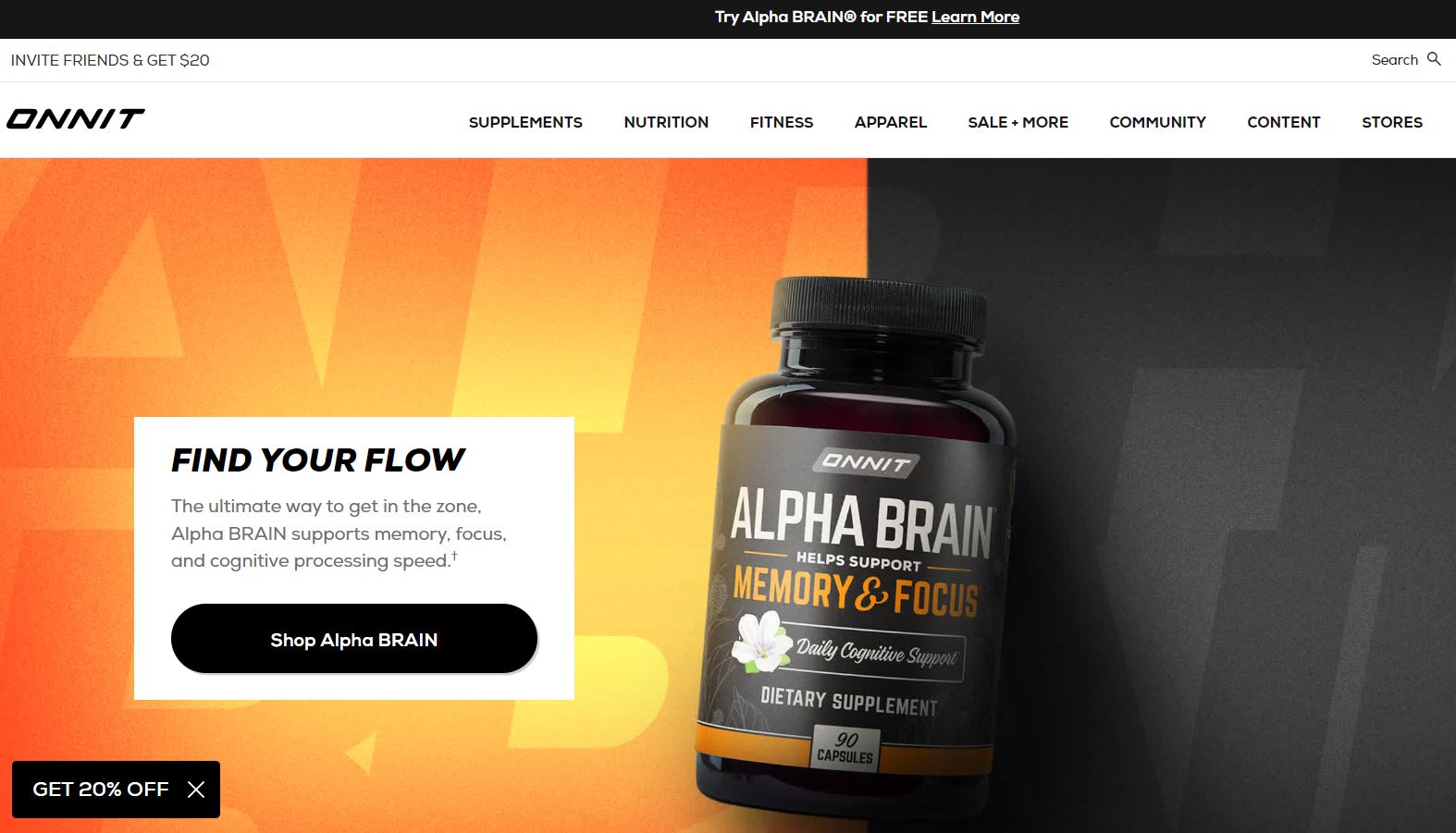
Launching a successful health product affiliate business requires a strategic approach. It’s not simply about promoting products; it’s about building a trustworthy brand that resonates with your target audience and provides genuine value. Understanding your niche, crafting engaging content, and implementing effective strategies are crucial for long-term success.
Niche Selection and Market Research
Thorough market research is paramount for selecting a profitable niche within the health product market. Analyzing current trends, consumer demand, and competitor activity will allow you to identify underserved areas and capitalize on opportunities. Consider factors like the specific health concern, product type, and target demographic when making your selection. For example, focusing on natural remedies for anxiety or supplements for specific athletic goals can lead to a targeted and potentially lucrative niche.
Establishing a Strong Brand Identity and Building Trust
Establishing a strong brand identity is essential for building trust and credibility with your audience. This includes developing a consistent brand voice, visual aesthetic, and overall message. Highlight your expertise and experience in health and wellness to establish authority. Transparency about your affiliate relationships and clear disclosure of any potential conflicts of interest will foster trust and build a loyal customer base.
Creating High-Quality Content for Your Website or Social Media
High-quality content is vital for attracting and retaining your target audience. This includes informative blog posts, engaging social media updates, and compelling product reviews. Focus on providing valuable insights and solutions related to health and wellness, rather than simply promoting products. Avoid overly promotional language and instead emphasize the benefits and advantages of the products you are recommending.
Providing detailed, unbiased reviews will help build trust. For instance, a blog post explaining the science behind a particular supplement or a comparison of different weight loss strategies would be valuable.
Using Techniques for Health Product Affiliate Websites
Implementing effective strategies is critical for driving organic traffic to your website and maximizing your affiliate earnings. Conduct research to identify relevant terms that your target audience is searching for. Optimize your website content with these s to improve search engine rankings. Create high-quality, informative content that caters to your target audience’s needs and questions.
Utilize meta descriptions, alt tags, and internal linking to enhance the performance of your website. A well-structured website with relevant content will rank higher in search results. For example, if you’re focusing on supplements for athletes, optimizing your website for terms like “pre-workout supplements,” “post-workout recovery,” and “muscle growth supplements” will increase your visibility.
Wrap-Up
In conclusion, health product affiliate programs in the USA present a viable path to financial success. By understanding the key players, market trends, and effective strategies, affiliates can build profitable businesses while promoting beneficial products. Ethical considerations and compliance with regulations are paramount, ensuring a sustainable and successful venture.
Q&A
What are the typical commission structures for health product affiliates?
Commission structures vary significantly. Some programs offer flat rates, others use tiered commissions based on sales volume, and others utilize a percentage-based model. It’s essential to review the specific commission structure of each program you consider.
What are some common legal considerations for health product affiliate marketers?
Health product affiliate marketers must adhere to FDA regulations and avoid misleading or unsubstantiated claims. Proper disclosure of affiliate relationships and transparent communication with consumers are vital.
How can I choose the right health products to promote?
Consider your audience’s needs and interests. Research products with high demand and good reviews. Promoting products aligned with your niche and expertise will yield better results.
What are some essential tools for health product affiliates?
Tools like affiliate tracking software, analytics platforms, and social media management tools are crucial for effective campaign management and performance monitoring.