May 29, 2026

affiliate marketing

Affiliate marketing is a lucrative way to earn money online. This guide dives deep into the world of affiliate programs, exploring various options and strategies to help you find the best fit for your goals. We’ll cover everything from understanding the basics to choosing the right programs, evaluating performance, and building a successful affiliate marketing business.

From Amazon’s extensive marketplace to niche-specific programs, the options are vast. We’ll provide insights into key considerations like commission rates, program structure, and crucial performance metrics. Learn how to maximize your earnings and build a sustainable income stream through affiliate marketing.

Introduction to Affiliate Programs

Affiliate marketing is a performance-based marketing strategy where businesses compensate individuals or websites (affiliates) for referring customers or generating sales. This model leverages the reach and influence of affiliates to expand a company’s customer base and drive revenue growth. Essentially, affiliates promote a product or service to their audience, and when a sale results from their promotion, they earn a commission.This mutually beneficial relationship between businesses and affiliates fosters growth for both parties.

Businesses gain access to a wider customer base and expanded marketing reach, while affiliates earn income by sharing their passion and expertise. The structure and success of affiliate programs rely heavily on transparent and mutually agreeable terms and conditions.

Affiliate Program Types

Affiliate programs vary significantly in their structure and compensation models. Understanding these differences is crucial for both businesses seeking affiliates and affiliates choosing programs to join. Different approaches cater to various marketing needs and objectives.

Commission-Based Programs

These programs offer a fixed percentage of the sale price as commission to the affiliate. This is a common and straightforward model, making it easily understandable and manageable for both parties. The percentage varies widely depending on the product or service and the affiliate’s performance. Examples include 5% commission on all sales generated by an affiliate’s unique referral link, or a tiered structure where the commission percentage increases based on the volume of sales.

Performance-Based Programs

Performance-based programs reward affiliates for specific actions, such as leads generated, trials signed up, or downloads completed. This approach allows for more granular control over the marketing process and enables measurement of specific user interactions, which can be useful for tracking campaign effectiveness. For example, an affiliate might earn a commission for each qualified lead they generate for a software company.

Comparison of Program Types

Program Type Compensation Model Metrics for Success Example
Commission-Based Fixed percentage of sale price Sales volume, conversion rates 5% commission on every product sale
Performance-Based Commission for specific actions Leads generated, trials signed up, downloads $25 commission for each qualified lead

Choosing the Right Affiliate Programs

Selecting the appropriate affiliate programs is crucial for maximizing your earnings and aligning your efforts with your audience’s interests. A poorly chosen program can lead to low commissions, irrelevant traffic, and ultimately, diminished returns. Carefully considering various factors ensures you partner with programs that effectively support your marketing goals and generate substantial income.Choosing affiliate programs involves a nuanced approach that goes beyond simply signing up for any available opportunity.

Understanding the program’s fit with your niche, commission structure, and overall value proposition is paramount. This careful evaluation process allows you to identify high-performing programs that are genuinely beneficial to both you and your audience.

Key Factors for Program Selection

Careful consideration of several factors is essential to ensure you select affiliate programs that align with your niche, attract relevant traffic, and yield substantial returns. These factors contribute to the overall success of your affiliate marketing endeavors.

  • Niche Relevance: The program’s products or services must directly relate to your audience’s interests. For example, if you run a blog focused on sustainable living, affiliate programs for eco-friendly products would be a natural fit, attracting a highly engaged and receptive audience. This targeted approach maximizes conversion rates and minimizes wasted effort.
  • Program Fit: The program’s marketing materials and support should complement your existing content and brand. A seamless integration between your brand and the program enhances credibility and creates a positive user experience. Mismatched programs might confuse or deter potential customers, leading to lower conversion rates.

Commission Rates and Payment Structures

Understanding the financial aspects of an affiliate program is critical for making informed decisions. A high commission rate, combined with a transparent and efficient payment structure, directly impacts your profitability.

  • Commission Rates: The percentage of each sale you earn as a commission. Consider programs offering competitive commission rates, aligning them with your projected sales volume and desired profit margins. For example, a 10% commission rate on average sales of $1000 translates to a $100 profit per sale, assuming no additional expenses.
  • Payment Structures: The method and frequency of payment. Choose programs with transparent payment schedules and reliable payment processing, ensuring timely and accurate payouts to avoid financial complications. Consider the minimum payout threshold and any associated fees.

Evaluating Affiliate Programs

The table below Artikels key factors to consider when evaluating potential affiliate programs. Careful analysis of these factors ensures you make informed choices that support your affiliate marketing objectives.

Factor Description Importance Example
Niche Relevance Does the program align with your target audience’s interests? High – Drives relevant traffic and conversions Fitness blog partnering with workout equipment
Commission Rate Percentage of each sale you earn as commission High – Impacts direct profit 5% commission on a $100 product
Payment Structure Method and frequency of payment High – Ensures timely payouts Weekly payouts via PayPal
Program Fit Compatibility with your brand and existing content Medium – Impacts user experience and credibility Travel blog partnering with hotels in their destination area

Evaluating Program Performance

Assessing the success of an affiliate program requires a deep dive into key performance indicators (KPIs). Understanding these metrics allows for informed decisions regarding program participation and optimization. A well-structured evaluation process will help you identify high-performing programs and make adjustments where needed to maximize your return on investment.Program success is not solely defined by the number of clicks or visits; rather, it’s measured by the tangible results these actions generate.

Crucially, evaluating performance involves more than just looking at superficial metrics; it requires a deeper understanding of how these metrics interact and contribute to overall program success.

Metrics for Assessing Program Success

Several key metrics are essential for evaluating the effectiveness of an affiliate program. These metrics provide a comprehensive picture of the program’s performance and potential. Understanding these will help you focus on the aspects of the program that drive the most value.

  • Conversion Rate: This crucial metric measures the percentage of visitors who complete a desired action, such as making a purchase. A higher conversion rate indicates a more effective program, as it signifies a higher proportion of visitors who successfully convert into customers. For example, an affiliate program with a 5% conversion rate means that for every 100 visitors, 5 make a purchase.

  • Average Order Value (AOV): AOV represents the average amount spent per order by customers referred through the affiliate program. Higher AOV suggests that the affiliate’s efforts are leading to more valuable sales, potentially offsetting lower conversion rates. For example, an AOV of $100 indicates that the average purchase made by a customer referred by the affiliate is $100.
  • Click-Through Rate (CTR): This metric tracks the percentage of users who click on an affiliate link after viewing it. While not a direct measure of sales, CTR provides insight into the effectiveness of the affiliate’s marketing materials and the attractiveness of the promotional offers.
  • Cost Per Acquisition (CPA): CPA is the cost an affiliate pays to acquire a customer. A low CPA suggests efficiency in the program. A high CPA may signal a need for adjustments to the marketing strategies or commission structures.

Tracking Key Performance Indicators (KPIs)

Effective tracking of KPIs is critical for monitoring program performance and making data-driven decisions. Using a robust tracking system will provide insights into what works and what needs improvement.

  • Utilize affiliate management platforms: These platforms typically provide dashboards and reports to monitor key metrics. These tools often offer customizable reports to tailor the information presented to specific needs.
  • Regularly review reports: Consistent review of the program’s performance data is crucial. This will allow you to identify trends and patterns that indicate areas needing improvement or potential successes.
  • Implement robust analytics tools: Integrating analytics tools allows for a detailed understanding of customer behavior and the effectiveness of different marketing channels. This allows you to pinpoint the factors driving conversions and optimize the affiliate program accordingly.

Significance of Conversion Rates and Average Order Values

Conversion rates and average order values are vital for understanding the profitability of an affiliate program. Analyzing these metrics together provides a more complete picture of the program’s success.

Conversion rates and AOV are fundamental to assessing affiliate program performance. A high conversion rate coupled with a high AOV typically signifies a successful and profitable program.

These two metrics, when analyzed in conjunction with other KPIs, provide a more comprehensive understanding of the program’s effectiveness and potential for growth.

Comparing Affiliate Program Performance

The following table demonstrates a comparative analysis of different affiliate programs based on their performance metrics.

Affiliate Program Conversion Rate (%) Average Order Value ($) Cost Per Acquisition ($) Click-Through Rate (%)
Program A 5 100 20 10
Program B 3 150 25 8
Program C 7 80 15 12

This table illustrates a snapshot of program performance. A deeper dive into the data, including the context surrounding these metrics, would allow for a more nuanced evaluation of the affiliate programs.

Amazon Affiliate Program

The Amazon Affiliate Program is one of the most popular and widely recognized affiliate programs globally. It offers a vast selection of products across numerous categories, making it attractive to a diverse range of affiliate marketers. Its established platform and extensive customer base provide a strong foundation for generating significant revenue streams.The Amazon affiliate program leverages Amazon’s massive online presence and user base to drive sales for affiliate marketers.

Marketers earn commissions on sales generated through their unique affiliate links, providing a direct incentive for driving traffic and conversions. This established structure allows for a relatively straightforward commission-based income model, accessible to both novice and experienced affiliates.

Overview of the Amazon Affiliate Program

The Amazon Associates program offers a wide range of products and categories. Marketers can promote a vast selection of items, from electronics and books to fashion and home goods. This breadth of options allows affiliates to target various niches and interests, increasing their potential earning opportunities. This extensive product selection, however, also presents a challenge for affiliates to differentiate themselves and focus their marketing efforts.

Benefits of Joining the Amazon Affiliate Program

  • Extensive Product Selection: The program boasts a massive catalog of products across numerous categories, allowing affiliates to find a niche that resonates with their audience.
  • Established Platform: Amazon’s robust platform and global reach provide a pre-existing infrastructure for driving traffic and conversions, which simplifies the affiliate marketing process.
  • High Volume of Traffic: The platform’s massive user base translates to a high volume of potential customers viewing affiliate links, increasing the chances of sales and commissions.
  • Simple Commission Structure: The commission structure is straightforward, making it easy for affiliates to understand and track their earnings. Commission rates vary based on product category and sales.

Drawbacks of Joining the Amazon Affiliate Program

  • High Competition: The program’s popularity leads to intense competition among affiliates, potentially making it challenging to stand out and achieve significant earnings.
  • Commission Rates: While commissions are present, they can be relatively low compared to some other affiliate programs, impacting overall earnings potential.
  • Limited Control over Branding: Affiliates must adhere to Amazon’s branding guidelines and policies, which may limit the creative freedom available in promoting products.
  • Dependence on Amazon’s Platform: The program’s success is heavily reliant on Amazon’s platform and its ongoing performance. Changes or disruptions on Amazon’s end could negatively impact affiliate earnings.

Comparison with Other Affiliate Programs

While the Amazon program offers extensive product options and a vast customer base, other programs might specialize in particular niches or provide higher commission rates. For example, some niche-specific programs might offer higher commissions on certain products but with a smaller pool of potential customers. Comparing Amazon with these programs requires careful consideration of target audience, commission structure, and desired level of control over marketing.

Tips for Success with the Amazon Affiliate Program

  • Niche Down: Focusing on a specific niche within the vast Amazon catalog allows for more targeted marketing and better audience engagement.
  • High-Quality Content: Creating valuable content that addresses the needs and interests of the target audience is crucial for driving traffic and conversions.
  • Effective Promotion Strategies: Utilizing a variety of promotional channels, such as social media and email marketing, can significantly increase exposure to potential customers.
  • Building a Strong Brand: Developing a personal brand or online presence can differentiate affiliates from competitors and foster trust with the audience.

Strengths and Weaknesses of the Amazon Affiliate Program

Strengths Weaknesses
Extensive product selection High competition
Established platform and global reach Relatively low commission rates
High volume of traffic Limited control over branding
Simple commission structure Dependence on Amazon’s platform

Strategies for Success

Affiliate marketing is a dynamic field requiring continuous adaptation and strategic thinking. Success hinges on understanding the nuances of driving traffic, promoting products effectively, and maximizing earnings. This section delves into key strategies for optimizing your affiliate journey.Understanding the fundamentals of attracting and engaging your audience is critical to maximizing your earning potential. Building a strong online presence and consistently delivering valuable content are pivotal in establishing credibility and attracting a loyal following.

This strong foundation fuels your ability to successfully promote affiliate products and earn commissions.

Maximizing Earnings

Effective strategies are essential for maximizing your earnings from affiliate programs. These strategies encompass various approaches to product promotion and audience engagement. Consistent effort and a well-defined strategy are vital. Understanding your audience and tailoring your approach to their specific needs and interests will significantly enhance your effectiveness.

Building a Strong Online Presence

A robust online presence is foundational to affiliate success. This involves creating high-quality content that resonates with your target audience. It encompasses building a professional website, maintaining an active social media presence, and developing engaging blog posts or videos. This consistent output fosters trust and credibility with potential customers, positioning you as a reliable source of information. Active participation in relevant online communities can also amplify your reach and connect you with potential customers.

Driving Traffic to Affiliate Links

Driving targeted traffic to your affiliate links is crucial for generating sales and commissions. Several strategies can effectively achieve this. Search Engine Optimization () techniques are paramount. By optimizing your website and content for relevant s, you improve your visibility in search engine results. High-quality content naturally attracts organic traffic.

Paid advertising campaigns, such as those on social media or search engines, can also effectively drive targeted traffic to your affiliate links. Collaborations with other influencers or bloggers in your niche can expose your content to a wider audience.

Marketing Tactics for Promoting Affiliate Products

Effective marketing tactics for promoting affiliate products are essential for conversion. Highlighting the value proposition of the products is paramount. Showcase the benefits, features, and advantages that resonate with your target audience. High-quality visuals and compelling narratives are key components of successful promotions. Creating engaging content around product reviews, comparisons, and demonstrations can build trust and encourage conversions.

Building anticipation and excitement through pre-launch promotions or limited-time offers can also stimulate demand.

Resources for Learning More About Affiliate Marketing Strategies

Numerous resources can help you learn more about affiliate marketing strategies. Online courses, webinars, and blog posts offer valuable insights into effective affiliate marketing practices. Many platforms provide case studies, success stories, and practical advice. Industry forums and communities provide valuable opportunities to connect with experienced affiliate marketers and learn from their experiences. Networking with fellow affiliate marketers can significantly enhance your understanding of the field and broaden your knowledge base.

The availability of online resources ensures continuous learning and growth in this ever-evolving field.

Building an Affiliate Marketing Business

Launching a successful affiliate marketing business requires careful planning and consistent effort. It’s not a get-rich-quick scheme, but rather a long-term commitment to building a strong online presence and cultivating a loyal audience. Understanding the intricacies of the affiliate landscape and strategically employing effective marketing tactics are paramount to achieving sustainable growth.

Steps to Launch an Affiliate Marketing Business

A structured approach to launching an affiliate marketing business is crucial for success. The following steps provide a roadmap for getting started:

  • Identify your niche and target audience. A well-defined niche allows for focused content creation and targeted advertising, leading to higher conversion rates. Research popular affiliate programs and products within that niche to identify potential partnerships. Understanding your target audience’s needs and interests is essential for creating engaging content that resonates with them.
  • Choose an appropriate affiliate program. Select programs that align with your niche and target audience. Research program requirements, commission structures, and potential earning opportunities to find the best fit. Ensure the products or services are relevant to your audience and offer a clear value proposition.
  • Create a compelling website or blog. A professional and user-friendly platform is essential for showcasing your expertise and promoting affiliate products. Optimize your website for search engines () to improve visibility and attract organic traffic. Consider factors like design, navigation, and content quality.
  • Develop a content strategy. Regularly publish high-quality content that provides value to your audience. This could include blog posts, articles, videos, or social media updates. Your content should be engaging and informative, highlighting the benefits of the products or services you are promoting.
  • Build an online presence. Actively engage with your audience on social media platforms and other relevant online communities. This fosters interaction and builds trust. Consistency is key to maintaining a strong online presence.

Significance of Creating a Unique Brand Identity

A unique brand identity is paramount for establishing credibility and differentiating your affiliate marketing business from competitors. A strong brand creates a recognizable presence and resonates with your target audience.

  • Developing a distinctive brand voice, visual style, and tone of voice helps you stand out from the crowd. Consistency in these elements builds brand recognition and fosters trust with your audience. This consistency should be reflected across all platforms, including your website, social media, and email communications.
  • A well-defined brand identity helps you attract a loyal customer base. Customers are more likely to trust and support a brand with a clear and consistent message. This fosters a sense of community and encourages repeat business.
  • It also helps in building a strong online presence. A distinctive brand helps you cut through the noise and stand out from competitors. This makes it easier to attract and retain customers.

Importance of Building a Loyal Audience

A loyal audience is the foundation of a successful affiliate marketing business. Building trust and fostering a sense of community with your audience are essential for long-term success.

  • Loyal audiences are more likely to purchase products and services recommended by you. Building trust through transparency and authenticity is key to earning their loyalty. Providing valuable content and engaging with your audience consistently are vital for nurturing loyalty.
  • They are also more likely to promote your recommendations to their network. Word-of-mouth marketing can significantly increase your reach and impact.
  • Loyalty fosters repeat business. Satisfied customers are more likely to return to you for recommendations and support, driving ongoing revenue streams.

Strategies for Maintaining Consistent Engagement with the Audience

Consistent engagement with your audience is essential for maintaining interest and driving conversions.

  • Regularly update your website and social media platforms with fresh content. This demonstrates your commitment to your audience and keeps them interested.
  • Respond promptly to comments and questions. Engagement through interaction builds a sense of community and trust.
  • Run contests and giveaways to increase audience participation and engagement. This fosters excitement and loyalty.
  • Collaborate with other influencers or businesses in your niche. This can expand your reach and introduce your content to a new audience.

Organizing a Content Calendar to Stay Relevant

A well-structured content calendar ensures consistent and relevant content delivery. It allows you to plan and schedule posts across various platforms.

“A content calendar is a roadmap for your content creation, ensuring consistency and alignment with your overall marketing goals.”

Date Platform Content Type Topic
October 26, 2023 Blog Article Top 5 Affiliate Programs for Beginners
October 27, 2023 Instagram Image/Video Tips for Choosing the Right Affiliate Program
October 28, 2023 Facebook Video Interview with an Affiliate Marketer

Best Practices and Considerations

Affiliate marketing offers lucrative opportunities, but navigating it ethically and legally is crucial. Building trust and maintaining a positive reputation is paramount for long-term success. This section explores best practices and considerations for ethical and compliant affiliate marketing.

Ethical Considerations in Affiliate Marketing

Maintaining ethical standards is essential for building a sustainable and reputable affiliate marketing business. Ethical conduct fosters trust with potential customers and promotes a positive image for the affiliate marketer.

  • Transparency and Disclosure: Full transparency regarding affiliate relationships is paramount. Clearly disclosing any affiliations with products or services being promoted is critical. This includes acknowledging compensation for promoting specific items.
  • Accuracy and Honesty: Providing accurate and honest information about products or services is essential. Exaggerated or misleading claims can damage your credibility and lead to legal repercussions.
  • Avoiding Misleading Content: Creating content that is not misleading or deceptive is critical. Avoid using manipulative language or presenting false information about products or services.

Importance of Transparency and Disclosure

Transparency builds trust and fosters a positive customer experience. Honest disclosure of affiliate relationships prevents misleading customers and protects the integrity of the affiliate marketer.

  • Clear Disclosure Statements: Explicitly stating affiliate relationships is crucial. This involves clearly identifying products or services promoted as being affiliated with the affiliate marketer. Disclaimers or links explicitly stating the affiliate relationship are vital for ethical and legal compliance.
  • Avoiding Concealment: Affiliate marketers should avoid concealing their affiliate relationships. This practice can lead to mistrust and damage the reputation of the affiliate and the product. Clear and upfront disclosure is key to building trust.

Legal Compliance Considerations

Understanding and adhering to legal requirements is crucial for avoiding potential penalties and maintaining a legitimate affiliate marketing presence. Legal compliance ensures the business operates within the boundaries of the law.

  • Truth-in-Advertising Laws: Adhering to truth-in-advertising laws is essential. Affiliate marketers should avoid making false or misleading claims about products or services. Accuracy and factual representation are crucial.
  • Federal Trade Commission (FTC) Guidelines: Understanding and complying with FTC guidelines is vital. The FTC mandates clear disclosure of affiliate relationships to prevent deceptive marketing practices. Following these guidelines safeguards against potential legal issues.
  • Copyright and Trademark Laws: Respecting copyright and trademark laws is essential. Affiliate marketers should not use copyrighted or trademarked material without permission. Using copyrighted content without authorization can lead to legal issues.

Building Trust and Credibility

Building trust and credibility is a cornerstone of successful affiliate marketing. A trustworthy reputation enhances customer confidence and promotes long-term success.

  • Consistent High-Quality Content: Creating high-quality content that provides valuable information to readers is essential. This content can include product reviews, comparisons, and tutorials.
  • Building Relationships with Brands: Establishing relationships with reputable brands can help build credibility. Affiliate marketers can develop a strong relationship by creating quality content and demonstrating a positive interaction with brands.
  • Positive Customer Experiences: Positive customer experiences foster trust and credibility. Addressing customer inquiries and concerns promptly builds trust and loyalty.

Key Legal and Ethical Considerations

Category Description Examples
Transparency Clear disclosure of affiliate relationships. Using “Affiliate Link” or “Sponsored” clearly in product reviews.
Accuracy Providing honest and factual information. Avoiding exaggerated claims or misleading comparisons.
Compliance Adhering to legal regulations (e.g., FTC guidelines). Disclosing compensation received for promoting a product.
Credibility Building trust through high-quality content and customer service. Providing detailed and helpful product reviews.

Example Affiliate Programs

Affiliate programs offer a diverse range of opportunities, and success hinges on selecting the right programs that align with your niche and audience. Identifying high-performing programs is crucial for maximizing your earnings and building a sustainable affiliate marketing business. This section explores several prominent affiliate programs, highlighting their strengths, successful campaigns, and product/service offerings.

High-Performing Affiliate Programs

Various affiliate programs excel in different niches, attracting significant engagement and generating substantial revenue for their affiliates. Understanding the factors that contribute to their success can provide valuable insights for aspiring affiliates. Key considerations include strong brand recognition, compelling product offerings, and effective affiliate marketing tools.

Successful Affiliate Campaigns

Several successful affiliate campaigns showcase the potential of these programs. A campaign for a popular fitness equipment brand, for example, could involve creating engaging content on social media platforms like YouTube and Instagram, demonstrating the equipment’s use and benefits. This content marketing approach can drive significant traffic to the affiliate link and convert potential customers. Another example involves a travel agency affiliate, who creates detailed travel guides and itineraries, promoting specific destinations or hotels.

These detailed guides provide valuable information and build trust with the audience. The affiliate’s expertise and passion for travel are key factors in driving conversions.

Reasons for Program Success

The success of these affiliate programs is multifaceted. Factors like strong brand recognition, high-quality product offerings, dedicated affiliate support, and effective marketing strategies contribute significantly. Additionally, the ease of use of their affiliate tracking tools and commission structure play a pivotal role in attracting and retaining affiliates. These programs often offer comprehensive resources and training to help affiliates effectively market their products.

Types of Products and Services Offered

Affiliate programs span a wide range of industries. Some programs specialize in e-commerce products like clothing, electronics, and home goods, while others focus on digital products such as software, ebooks, and online courses. Travel, financial services, and even health and wellness programs also exist. The types of products and services offered often dictate the type of content an affiliate needs to create.

Comparison of Affiliate Program Features

Affiliate Program Commission Structure Tracking Tools Support & Resources Product/Service Niche
Amazon Associates Variable, tiered based on product and sales volume Robust, comprehensive tracking and reporting Extensive resources, training, and support materials E-commerce (broad range of products)
ShareASale Variable, negotiated commissions User-friendly platform with advanced analytics Dedicated account managers and support teams Diverse range of products, spanning various industries
CJ Affiliate Variable, based on program and product Comprehensive reporting and analytics Dedicated account managers, training, and marketing resources Wide range of industries, from technology to fashion
ClickBank Fixed commissions, often high Easy-to-use tracking tools Limited resources compared to others, but effective support Digital products, including ebooks, software, and online courses

Closing Summary

38 Best Affiliate Programs of 2022 (High Paying for Beginners)

In conclusion, finding the right affiliate programs is crucial for success in this field. This guide has equipped you with the knowledge and strategies to navigate the landscape, identify high-performing programs, and build a thriving affiliate marketing business. Remember to prioritize niche relevance, track performance metrics, and adopt ethical practices for long-term growth.

Clarifying Questions

What are the different types of affiliate programs?

Affiliate programs come in various forms, including commission-based and performance-based models. Commission-based programs typically pay a percentage of each sale, while performance-based programs offer payouts for achieving specific goals like lead generation or conversions.

How do I track the performance of my affiliate links?

Tracking performance is vital. Utilize tools that allow you to monitor clicks, conversions, and sales attributed to your affiliate links. Key metrics like conversion rates and average order values will help you assess the success of each program.

What are some ethical considerations in affiliate marketing?

Transparency and disclosure are crucial. Always clearly disclose your affiliate relationships to maintain ethical standards and build trust with your audience.

What are the essential steps to start an affiliate marketing business?

Establishing a unique brand identity, building a loyal audience, and consistent content creation are critical for launching and sustaining an affiliate marketing business.
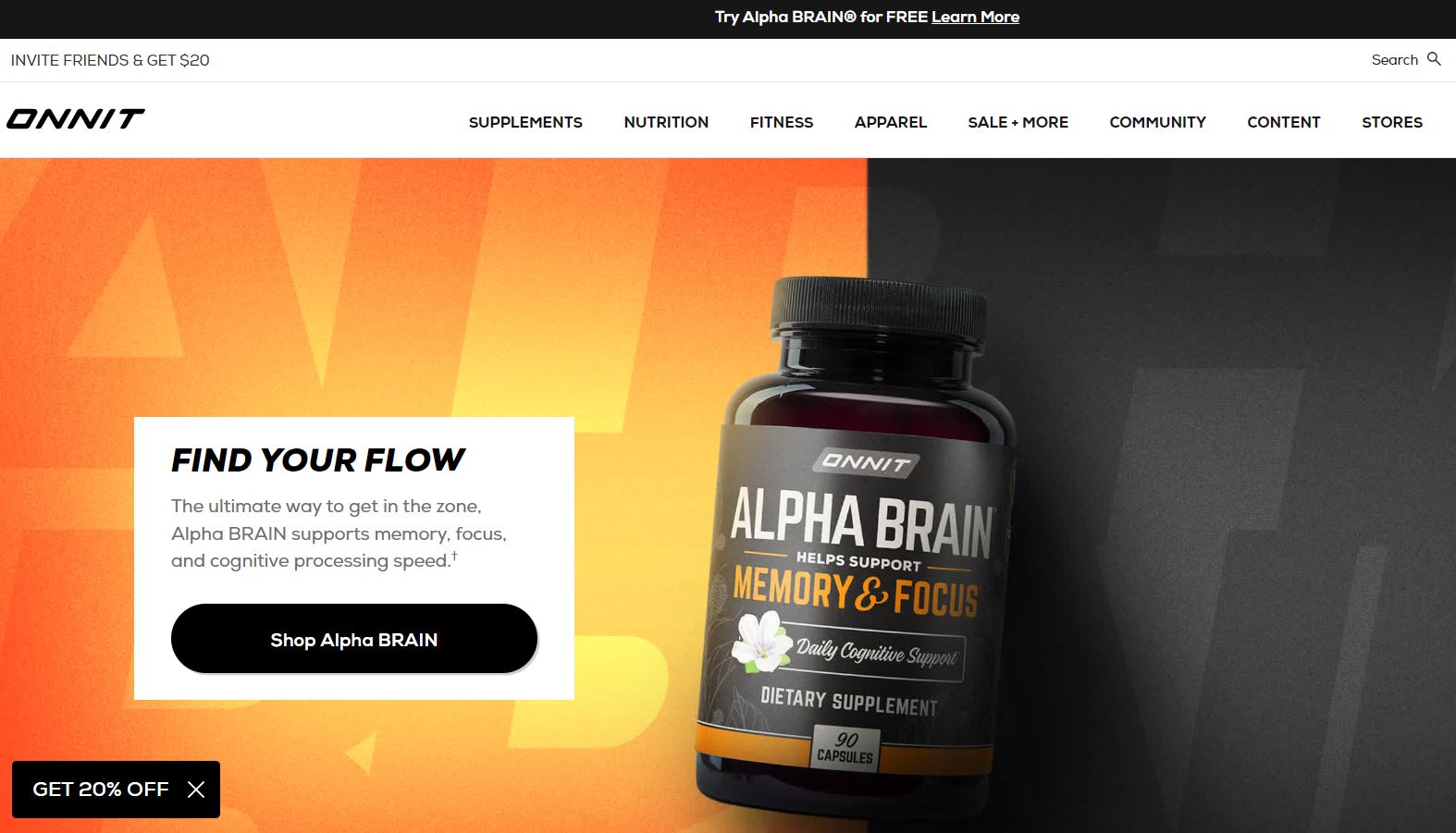
Health product affiliate programs in the USA offer a lucrative opportunity for marketers to promote a wide range of products, from supplements and fitness gear to skincare solutions. Understanding the intricacies of these programs, from commission structures to legal considerations, is key to success.

This comprehensive guide explores the various facets of health product affiliate marketing in the US. We’ll delve into the key players, popular programs, effective marketing strategies, and crucial legal aspects. Whether you’re a seasoned affiliate or just starting out, this resource provides a solid foundation for navigating this dynamic market.

Overview of Health Products Affiliate Programs in the USA

Affiliate programs for health products in the USA are a popular way for marketers to promote various wellness-related goods and services. These programs allow individuals to earn commissions by recommending products to their audience, creating a mutually beneficial relationship between the affiliate and the product vendor. The market for health products is vast, ranging from dietary supplements and fitness equipment to skincare and wellness services.This overview details the common structure of these programs, highlighting the types of products, commission models, and the benefits for both affiliates and sellers.

Types of Health Products Offered

A diverse range of health products is typically offered through affiliate programs. These encompass dietary supplements, fitness equipment, and personal care products such as skincare. Furthermore, some programs might include wellness services like online coaching or consultations.

  • Dietary supplements are a significant category, including vitamins, minerals, protein powders, and herbal remedies.
  • Fitness equipment encompasses various items like treadmills, weight sets, yoga mats, and exercise balls.
  • Skincare products cover a broad spectrum of items from moisturizers and cleansers to serums and masks.
  • Wellness services, including online coaching or consultations for nutrition, fitness, or stress management, are increasingly available through affiliate programs.

Common Commission Structures

Affiliate commission structures for health products typically vary based on the specific program and the product vendor. Common structures include a fixed percentage of the sale price or a tiered commission based on the purchase volume. Some programs might offer a combination of these models, or bonus incentives for reaching specific sales targets.

Program Type Product Categories Commission Structure Benefits
Typical Supplement Program Vitamins, minerals, protein powders Fixed percentage (e.g., 10% of sale price) Simple commission structure, straightforward to understand and track; commission is consistent across sales.
Fitness Equipment Program Treadmills, weights, yoga mats Tiered commission (e.g., 15% for first $1,000 in sales, 20% for subsequent sales) Incentivizes high sales volume; potential for higher earnings for affiliates driving substantial sales.
Skincare Program Moisturizers, cleansers, serums Performance-based commission (e.g., a bonus for achieving a specific number of sales in a month) Affiliate performance is rewarded, creating a direct link between sales and earnings; can offer higher earning potential than fixed percentages.

Benefits for Affiliate Marketers

Affiliate programs offer several benefits for marketers. These include the ability to earn passive income by promoting products aligned with their interests, and the opportunity to build a loyal customer base through targeted marketing efforts.

  • Passive Income Generation: Marketers can generate income by promoting products even when they are not actively working. This is because the affiliate commissions are earned whenever a sale is generated through their unique affiliate link.
  • Building a Loyal Customer Base: By promoting products that align with their interests and values, affiliates can cultivate a loyal following of customers who trust their recommendations.
  • Flexibility and Control: Affiliate marketing offers flexibility in terms of time and location, allowing marketers to manage their programs from anywhere with an internet connection.

Benefits for Product Sellers

Product sellers benefit from affiliate programs by expanding their reach and brand awareness. They can tap into the existing customer base of affiliate marketers, leading to a wider audience for their products.

  • Expanded Reach: Affiliate marketers have existing customer bases and networks. Product sellers can leverage this by tapping into these networks to reach a broader audience.
  • Reduced Marketing Costs: Affiliate programs provide a cost-effective way to market products, as the responsibility of marketing and reaching potential customers is shifted to the affiliate marketer.
  • Improved Brand Awareness: Affiliate programs allow for increased visibility of the products, as they are promoted through various channels and by different affiliates.

Key Players and Market Trends

The health product affiliate market in the USA is a dynamic and lucrative space, with numerous companies vying for a piece of the pie. Understanding the key players, their programs, and the current market trends is crucial for both affiliates and brands looking to capitalize on this sector. This section delves into the major players and the evolving landscape of health product affiliate marketing in the US.The health product affiliate market in the USA is a highly competitive but rewarding space.

A variety of companies offer affiliate programs, targeting specific niches within the health and wellness sector. Success hinges on understanding the unique strengths and weaknesses of each program and adapting strategies to maximize returns.

Major Companies Offering Health Product Affiliate Programs

Numerous companies, ranging from established brands to newer, specialized health supplement companies, offer affiliate programs. Identifying the top players allows affiliates to select programs aligned with their expertise and target audience.

  • Large Supplement Retailers: Companies like Vitacost, LuckyVitamin, and Amazon offer comprehensive affiliate programs encompassing a vast range of health products. These programs typically provide a wide selection of products, potentially appealing to a broad audience, but may also involve greater competition for commissions.
  • Specialty Health Brands: Companies focused on particular health niches, such as women’s health, men’s health, or specific dietary needs, often have specialized affiliate programs. These programs may attract affiliates with expertise in the targeted area, leading to more focused and effective marketing campaigns. An example is a brand specializing in keto-friendly supplements.
  • Direct-to-Consumer (DTC) Brands: Many health product companies directly sell to consumers and offer affiliate programs. These programs frequently provide higher commissions or unique incentives, but may require a more intensive marketing strategy to gain visibility and traffic. An example would be a company promoting natural skincare products.

Comparison of Affiliate Programs

Different companies structure their affiliate programs in diverse ways, influencing their suitability for various affiliates. A comparative analysis of key features provides insights into the most advantageous opportunities.

Company Commission Structure Cookie Duration Marketing Materials Support Level
Vitacost Tiered commission based on sales volume 30 days Comprehensive marketing materials, including banners and product descriptions Dedicated affiliate manager
LuckyVitamin Percentage-based commission on sales 45 days High-quality product images and detailed product descriptions 24/7 support via phone and email
Amazon Percentage-based commission on sales 24 hours Vast selection of product images and descriptions, along with Amazon’s massive advertising reach Limited affiliate support, heavily reliant on self-service resources

Current Market Trends and Future Predictions

The health product affiliate market is continually evolving. Current trends, such as the increasing demand for natural and organic products, influence the programs offered and the affiliate strategies employed.

  • Emphasis on Natural & Organic Products: Consumers are increasingly seeking natural and organic health products. Affiliate programs focusing on these categories are experiencing substantial growth.
  • Focus on Specific Niches: The market is segmenting into more specific niches. Affiliates specializing in particular health conditions, age groups, or dietary needs are finding success.
  • Growing Importance of Influencer Marketing: Health product affiliate marketing increasingly leverages influencer partnerships, which can boost brand visibility and credibility.
  • Rise of Subscription Boxes: Affiliate programs that partner with subscription boxes for health and wellness products are emerging as a promising avenue for future growth.

Affiliate Marketing Strategies for Health Products

Affiliate marketing for health products presents a unique opportunity to reach a targeted audience and generate significant revenue. However, ethical considerations and a deep understanding of consumer needs are paramount. Promoting health products requires a nuanced approach, prioritizing transparency and responsible disclosure.Effective affiliate marketing for health products hinges on building trust with potential customers. This involves showcasing the product’s benefits in a clear, informative, and engaging manner while adhering to all relevant regulations and guidelines.

Prioritizing authenticity and avoiding misleading claims is crucial for long-term success and maintaining a positive reputation.

Choosing the Right Health Products

Understanding your target audience is key to selecting appropriate health products for promotion. Consider factors such as their specific needs, lifestyle preferences, and health concerns. Analyzing current market trends and researching successful product launches can also provide valuable insights. A thorough understanding of the product’s benefits, features, and target audience is crucial for effective promotion. Consider the product’s quality, safety certifications, and any potential risks or side effects.

Crafting an Engaging Online Presence

A well-designed website or engaging social media presence is essential for attracting potential customers. High-quality images and videos, coupled with informative product descriptions, can enhance the appeal and credibility of your affiliate links. Providing detailed reviews and testimonials from satisfied customers can further build trust and encourage conversions. Building a community around shared health interests can increase engagement and foster a sense of trust.

Content should focus on providing value to your audience, such as tips, advice, and educational resources.

Driving Traffic and Maximizing Conversions

Driving traffic to your affiliate links is critical for generating sales. Implementing effective strategies, utilizing social media marketing, and running targeted advertising campaigns can all contribute to increasing visibility. Consider incorporating compelling calls to action within your content to encourage clicks and conversions. Analyzing website analytics and social media engagement metrics can help you refine your strategies over time.

Leveraging email marketing and creating exclusive content for your subscribers can further enhance customer engagement and conversions.

Marketing Strategies and Potential Impact

Marketing Strategy Potential Impact
Content Marketing (Blog posts, articles, videos): Provides valuable information to attract and engage potential customers, establishing credibility and driving organic traffic.
Social Media Marketing (Instagram, Facebook, TikTok): Targets specific demographics through engaging content, visual appeal, and interactive features, increasing brand awareness and driving traffic to affiliate links.
Email Marketing: Builds an email list and nurtures leads through targeted content and promotions, driving repeat sales and conversions.
Paid Advertising (Google Ads, social media ads): Targets specific s or demographics to reach a wider audience quickly, driving substantial traffic and sales, but requires careful budgeting and optimization.
Influencer Marketing: Leverages the reach and credibility of health-focused influencers to promote products to a targeted audience, potentially generating high conversions and brand trust.

Legal and Ethical Considerations

Affiliate marketing for health products in the USA demands meticulous adherence to regulations and ethical standards. Navigating this landscape requires a deep understanding of legal boundaries and a commitment to transparent practices. Failure to comply can lead to severe penalties and damage to reputation.A strong ethical framework, combined with rigorous adherence to legal requirements, is essential for building trust and fostering long-term success in this niche.

This section Artikels critical considerations for navigating the legal and ethical complexities of health product affiliate marketing.

Relevant Regulations and Laws

The advertising and marketing of health products in the USA are governed by a complex web of regulations. These regulations aim to protect consumers from misleading or unsubstantiated claims. Key regulatory bodies include the Federal Trade Commission (FTC) and the Food and Drug Administration (FDA). The FTC regulates advertising practices, ensuring truthfulness and avoiding deception. The FDA regulates the safety and efficacy of health products, demanding adherence to strict guidelines.

Understanding and complying with these regulations is paramount.

Potential Ethical Dilemmas and Conflicts of Interest

Affiliate marketers must be vigilant about potential conflicts of interest. Promoting products where personal gain might outweigh consumer benefit presents a significant ethical dilemma. For instance, an affiliate promoting a weight-loss supplement might face a conflict if they haven’t personally experienced the desired results or if they have financial incentives that prioritize sales over consumer well-being. Transparency and disclosure are critical to mitigate these risks.

Disclosure Requirements for Affiliate Links

Full disclosure of affiliate relationships is crucial. Affiliate links related to health products must be clearly and conspicuously disclosed. This includes clearly identifying the affiliate relationship and any potential financial incentives. Consumers must understand that a recommendation is driven, at least in part, by potential compensation. The FTC mandates clear and concise disclosure to avoid misleading consumers.

Avoiding Misleading or Deceptive Practices

Misleading or deceptive practices are strictly prohibited. Affiliate marketers must avoid making unsubstantiated claims or exaggerating the benefits of health products. Testimonials and endorsements should be genuine and representative of actual experiences. Product descriptions must accurately reflect the product’s characteristics and intended use. Avoid exaggerating or fabricating claims.

Adherence to factual reporting is vital.

Importance of Transparency in Affiliate Marketing

Transparency fosters trust and builds credibility. Openly disclosing affiliate relationships, potential conflicts of interest, and any financial incentives builds consumer confidence. Providing evidence-based information, rather than unsubstantiated claims, strengthens transparency. Honesty and openness in marketing efforts are essential for long-term success in the health products affiliate marketing space.

Amazon Affiliate Program for Health Products

The Amazon affiliate program, a widely recognized platform, presents unique opportunities for promoting health products. Its vast reach and established customer base make it a compelling choice for affiliates. Understanding its nuances, advantages, and potential pitfalls is crucial for success.The program offers a robust framework for health product promotion, leveraging Amazon’s extensive infrastructure and user traffic. It’s a powerful tool for reaching a broad audience interested in health and wellness, but careful consideration of specific strategies is needed to maximize returns.

Overview of the Amazon Affiliate Program

The Amazon affiliate program is a performance-based commission scheme where affiliates earn a commission for each sale generated through their unique affiliate links. The program’s structure provides a transparent commission structure, with varying rates based on product categories. Understanding these nuances is critical for effective affiliate marketing.

Advantages of Using the Amazon Affiliate Program

  • Extensive Product Selection: Amazon’s vast inventory includes a wide array of health products, allowing affiliates to target diverse niches within the health market. This broad range can attract a larger audience segment and increase opportunities for commissions.
  • Established Customer Base: Amazon boasts a massive and engaged customer base, which provides a significant pool of potential buyers. This extensive audience offers a ready market for health product promotion.
  • User-Friendly Platform: Amazon’s affiliate program is designed with user-friendliness in mind. Affiliates can easily create and track their campaigns, making it a convenient option for various skill levels.
  • Proven Track Record: Amazon’s success as a retail giant translates to a reliable platform for affiliate marketing. The established infrastructure and customer trust offer a solid foundation for promotion efforts.

Disadvantages of Using the Amazon Affiliate Program

  • High Competition: The program’s popularity results in intense competition among affiliates, making it challenging to stand out. Effective strategies and a distinct approach are needed to gain visibility.
  • Commission Rates: Commission rates can vary considerably depending on the product category, which may limit earning potential for some health product niches.
  • Amazon’s Policies: Adherence to Amazon’s strict policies and guidelines is crucial. Violations can lead to account suspension or other penalties.
  • Limited Control: Affiliates have limited control over product presentation and customer experience compared to independent websites. This may affect perceived brand value or customer engagement.

Effective Use of Amazon’s Resources

  • Product Research: Identifying high-demand and profitable health products within specific niches is essential. Utilizing Amazon’s search and filtering tools to pinpoint trending products is vital.
  • Optimization: Optimizing affiliate links and product descriptions with relevant s can improve visibility and organic search results. This helps to enhance the discoverability of health products.
  • Amazon’s Advertising Options: Exploring Amazon’s advertising options, like Sponsored Products or Sponsored Brands, can complement affiliate marketing efforts to reach a broader audience. These options can be used to amplify the reach of health product promotions.
  • Customer Reviews and Feedback: Leveraging Amazon’s extensive customer reviews and feedback is vital. This allows for insights into product performance, customer preferences, and potential areas for improvement.

Best Practices for Promoting Health Products

  • Target Specific Niches: Focusing on specific health niches (e.g., weight loss, joint health, mental wellness) can allow for more targeted and effective marketing strategies.
  • Highlight Benefits: Emphasizing the benefits of health products over generic descriptions is key to driving sales. Highlighting the specific advantages of the product can attract interested customers.
  • High-Quality Content: Creating informative and engaging content about health products is essential for attracting and retaining customers. In-depth articles and reviews provide valuable information for consumers.
  • Build Trust and Credibility: Establishing trust and credibility through transparency, authenticity, and expertise in health-related topics can increase conversion rates. This is crucial in the health and wellness market.

Comparison to Other Health Product Affiliate Programs

Different health product affiliate programs offer various commission structures, product selections, and support systems. Comparing these programs allows affiliates to make informed decisions based on their individual needs and goals. A comprehensive analysis should include the advantages and disadvantages of each platform to determine the best fit.

Tools and Resources for Health Product Affiliates

Effective health product affiliate marketing requires a strategic approach, encompassing various tools and resources to maximize reach and performance. Choosing the right tools empowers affiliates to effectively track campaigns, analyze data, and ultimately boost conversions. Understanding the available resources and their functionalities is critical for success in this competitive market.

Essential Affiliate Marketing Tools

A range of tools cater to different aspects of affiliate marketing, from tracking clicks and sales to managing campaigns and analyzing performance. Choosing the right mix is crucial for optimizing efforts. Essential tools facilitate streamlined processes and data-driven decision-making.

  • Affiliate Network Platforms: These platforms provide comprehensive tools for managing multiple affiliate programs, tracking commissions, and accessing promotional materials. They often include analytics dashboards, allowing affiliates to monitor performance metrics and make informed adjustments to their strategies.
  • Tracking and Analytics Tools: Essential for monitoring campaign performance, these tools provide detailed insights into traffic sources, conversions, and ROI. Examples include Google Analytics, which offers comprehensive website analytics, and dedicated affiliate tracking platforms like ClickMagick or Impact Radius. Tracking tools facilitate data-driven optimization, enabling affiliates to identify successful strategies and fine-tune campaigns for maximum impact.
  • Email Marketing Platforms: These tools are vital for building and nurturing relationships with potential customers. Email marketing platforms, such as Mailchimp or Constant Contact, empower affiliates to send targeted emails promoting health products and building customer loyalty. They also aid in nurturing leads and building long-term relationships with customers.
  • Social Media Management Tools: For engaging with potential customers on various social media platforms, social media management tools like Buffer or Hootsuite streamline scheduling and content management. They enable affiliates to maintain a consistent presence across multiple platforms, increasing visibility and engagement. These tools are instrumental in building a strong online presence and fostering connections with the target audience.
  • Landing Page Builders: These tools allow affiliates to create custom landing pages specifically designed to promote particular health products. Tools like Leadpages or Unbounce facilitate the creation of high-converting landing pages, enhancing the customer journey and maximizing conversions.

Popular Affiliate Marketing Tools Comparison

Choosing the right tools can significantly impact affiliate marketing success. This table Artikels some popular tools, highlighting their features, pricing, and pros and cons.

Tool Name Features Price Pros Cons
ClickMagick Comprehensive affiliate management, detailed analytics, A/B testing Starts from $49/month Powerful analytics, robust reporting, excellent customer support Steeper learning curve, can be expensive for some affiliates
Impact Radius Performance-based marketing platform, dedicated to health and wellness Variable, based on performance Focus on health products, potentially high commissions Commission structure can be complex, limited tools for general affiliate marketing
Leadpages Landing page creation, email marketing integration, analytics Starts from $34/month User-friendly, high-converting landing pages, integrated features Limited advanced features compared to dedicated affiliate management tools
Google Analytics Website traffic analysis, user behavior tracking, campaign performance Free Industry-standard tool, vast data insights, extensive documentation Requires technical understanding, needs integration with other tools

Analytics for Campaign Optimization

Utilizing analytics effectively is crucial for optimizing affiliate marketing campaigns. Analyzing key metrics like click-through rates, conversion rates, and return on investment allows for informed adjustments to strategies.

  • Tracking Conversions: Tracking conversions provides insights into the effectiveness of various strategies. This involves identifying the touchpoints that lead to sales, optimizing campaigns for maximum conversions.
  • Analyzing Campaign Performance: Regularly evaluating campaign performance helps identify strengths and weaknesses, allowing affiliates to adjust their strategies. This involves using tools to analyze data and identify areas for improvement.
  • A/B Testing: Testing different variations of campaigns allows affiliates to determine which strategies yield the best results. Testing different approaches, such as headlines, images, and calls to action, can significantly enhance conversion rates.

Successful Health Product Affiliate Campaigns

Numerous successful health product affiliate campaigns highlight the effectiveness of targeted strategies and effective tools. For example, campaigns focusing on specific health concerns or demographics often yield higher conversion rates. Successful affiliates frequently demonstrate strong understanding of their target audience, creating campaigns that resonate with their needs and preferences.

Building a Successful Health Product Affiliate Business

Top 25 Health Affiliate Programs for 2023

Launching a successful health product affiliate business requires a strategic approach. It’s not simply about promoting products; it’s about building a trustworthy brand that resonates with your target audience and provides genuine value. Understanding your niche, crafting engaging content, and implementing effective strategies are crucial for long-term success.

Niche Selection and Market Research

Thorough market research is paramount for selecting a profitable niche within the health product market. Analyzing current trends, consumer demand, and competitor activity will allow you to identify underserved areas and capitalize on opportunities. Consider factors like the specific health concern, product type, and target demographic when making your selection. For example, focusing on natural remedies for anxiety or supplements for specific athletic goals can lead to a targeted and potentially lucrative niche.

Establishing a Strong Brand Identity and Building Trust

Establishing a strong brand identity is essential for building trust and credibility with your audience. This includes developing a consistent brand voice, visual aesthetic, and overall message. Highlight your expertise and experience in health and wellness to establish authority. Transparency about your affiliate relationships and clear disclosure of any potential conflicts of interest will foster trust and build a loyal customer base.

Creating High-Quality Content for Your Website or Social Media

High-quality content is vital for attracting and retaining your target audience. This includes informative blog posts, engaging social media updates, and compelling product reviews. Focus on providing valuable insights and solutions related to health and wellness, rather than simply promoting products. Avoid overly promotional language and instead emphasize the benefits and advantages of the products you are recommending.

Providing detailed, unbiased reviews will help build trust. For instance, a blog post explaining the science behind a particular supplement or a comparison of different weight loss strategies would be valuable.

Using Techniques for Health Product Affiliate Websites

Implementing effective strategies is critical for driving organic traffic to your website and maximizing your affiliate earnings. Conduct research to identify relevant terms that your target audience is searching for. Optimize your website content with these s to improve search engine rankings. Create high-quality, informative content that caters to your target audience’s needs and questions.

Utilize meta descriptions, alt tags, and internal linking to enhance the performance of your website. A well-structured website with relevant content will rank higher in search results. For example, if you’re focusing on supplements for athletes, optimizing your website for terms like “pre-workout supplements,” “post-workout recovery,” and “muscle growth supplements” will increase your visibility.

Wrap-Up

In conclusion, health product affiliate programs in the USA present a viable path to financial success. By understanding the key players, market trends, and effective strategies, affiliates can build profitable businesses while promoting beneficial products. Ethical considerations and compliance with regulations are paramount, ensuring a sustainable and successful venture.

Q&A

What are the typical commission structures for health product affiliates?

Commission structures vary significantly. Some programs offer flat rates, others use tiered commissions based on sales volume, and others utilize a percentage-based model. It’s essential to review the specific commission structure of each program you consider.

What are some common legal considerations for health product affiliate marketers?

Health product affiliate marketers must adhere to FDA regulations and avoid misleading or unsubstantiated claims. Proper disclosure of affiliate relationships and transparent communication with consumers are vital.

How can I choose the right health products to promote?

Consider your audience’s needs and interests. Research products with high demand and good reviews. Promoting products aligned with your niche and expertise will yield better results.

What are some essential tools for health product affiliates?

Tools like affiliate tracking software, analytics platforms, and social media management tools are crucial for effective campaign management and performance monitoring.

Unlocking the potential of home decor affiliate programs in Australia is now easier than ever. This guide dives deep into the world of affiliate marketing, specifically tailored for the Australian home decor market. Learn about the best platforms, strategies, and legal considerations to launch a successful home decor affiliate business in Australia.

From understanding the basics of affiliate programs to exploring popular platforms and effective marketing strategies, this comprehensive guide empowers you to navigate the Australian home decor affiliate landscape with confidence. Discover how to maximize your earnings and build a thriving business within the attractive niche of home decor.

Introduction to Home Decor Affiliate Programs in Australia

Affiliate marketing is a performance-based marketing strategy where a business rewards one or more affiliates for each sale or lead generated through their unique marketing efforts. Essentially, affiliates promote products or services, and get a commission for each successful transaction they drive. This model is increasingly popular due to its cost-effectiveness and potential for high returns.Home decor affiliate programs leverage this model by connecting retailers with online influencers, bloggers, and website owners specializing in home design.

These affiliates, through their established audiences and unique perspectives, effectively promote products, driving sales and boosting visibility for the retailer. This approach creates a win-win scenario for both parties.

Overview of Home Decor Affiliate Programs in Australia

Affiliate programs in Australia, particularly for home decor, operate on a straightforward commission-based structure. Affiliates typically receive a percentage of the sale price for each qualifying purchase made through their unique referral link. The programs are carefully structured to ensure transparency and accountability in the transaction process. This usually involves clear guidelines on qualifying purchases, commission rates, and payment schedules.

Payment methods commonly include direct deposit or online transfer systems.

Types of Home Decor Affiliate Programs

The Australian home decor affiliate landscape encompasses a variety of program types, each catering to different marketing needs and goals. Understanding these variations is crucial for selecting the most appropriate program for an individual’s strategy.

Program Type Description Pros Cons
Individual Stores Direct partnerships with individual home decor retailers. Personalized service, higher potential commissions for top performers, direct relationship with the retailer Limited reach, potential for program closures, often lower commission rates for new affiliates
Large Affiliate Networks Aggregation of multiple home decor retailers and brands within a single platform. Wider selection of products and brands, larger reach, often greater resources and support Lower commission rates, less personalized service, potential for competition from other affiliates

Key Considerations for Choosing an Affiliate Program

Selecting the right affiliate program requires careful consideration of several factors. These include the specific niche within home decor, the desired level of support, and the potential for long-term growth. Factors like the commission structure, the terms and conditions of the program, and the retailer’s reputation should be thoroughly investigated before making a commitment.

Popular Platforms for Home Decor Affiliate Programs in Australia

Finding the right affiliate program is crucial for success in the Australian home decor market. Understanding the various platforms, their benefits, and drawbacks, is vital for making informed decisions. A strong understanding of commission structures and payout methods is essential for optimizing earnings. This section delves into popular platforms and their intricacies.Platforms like these offer a range of home decor products, from furniture and lighting to textiles and accessories.

Affiliates can promote these products to their audience and earn a commission on each sale they generate. The right platform can significantly boost earnings and streamline the affiliate process.

Top Platforms for Home Decor Affiliate Programs

A variety of online retailers and marketplaces offer home decor affiliate programs in Australia. Choosing the right platform hinges on several factors, including the type of home decor you wish to promote, your target audience, and the commission structure offered.

  • Etsy: Etsy is a popular platform for handmade and vintage home decor items. Its user-friendly interface and strong community make it an attractive option for affiliates focusing on unique, handcrafted products. A benefit is the broad reach to a customer base interested in handcrafted and vintage pieces. However, competition can be fierce, as many artisans and sellers utilize the platform for sales.

    Commission structures are often variable, depending on the specific seller and product, but can offer competitive earnings for unique products.

  • Catch: Catch offers a wide selection of homewares and furniture. Its broad range of products and established customer base make it suitable for promoting a diverse selection of home decor items. The platform’s strong presence in the Australian market is a significant benefit. A potential drawback is the possibility of dealing with larger retailers with complex affiliate program structures.

    Commission structures and payout methods typically align with broader retail industry standards.

  • Myer: Myer, a well-established department store, provides a significant presence in the Australian market. Its extensive range of home decor products, including furniture and accessories, is a benefit. The platform provides exposure to a broad consumer base. A drawback may be the need to align with the overall Myer marketing strategy. Commission structures tend to be competitive, but payouts are usually on a regular basis.

  • Adairs: Adair’s is a major retailer specializing in home furnishings. The platform’s wide selection of home decor products is a benefit, catering to diverse tastes and styles. Its established customer base in Australia is an advantage. A potential drawback is the need to align with their marketing strategy, and competition with other affiliates may be high. Commission structures and payout methods are generally in line with industry standards.

  • Harvey Norman: Harvey Norman is another major Australian retailer with a substantial online presence and a wide variety of home decor items. Its extensive selection, from furniture to appliances and lighting, is a significant advantage. A potential drawback could be a more demanding application process and stringent compliance requirements. Commission structures are generally competitive but might vary based on the specific product.

Commission Structures and Payout Methods

Understanding the commission structure and payout method is critical for calculating potential earnings. This aspect influences the financial viability of the affiliate program.

  • Commission rates: Commission rates vary considerably across platforms and product categories. Some platforms offer fixed rates, while others use tiered systems based on sales volume. Commission rates are frequently tiered, meaning higher rates for larger sales volumes. This can lead to higher earning potential but also increased risk for lower sales.
  • Payout methods: Payout methods include direct bank transfers, PayPal, or other payment processors. The chosen method should be convenient and secure for the affiliate. Payout frequency is also a crucial factor. Commonly, payout frequencies are monthly, although some platforms offer more frequent payouts.

Commission Rates by Product Category

This table illustrates a sample commission structure across various home decor categories. Note that these are illustrative examples and rates may vary significantly by platform and product.

Product Category Estimated Commission Rate (%)
Furniture 5-10
Lighting 6-12
Textiles (e.g., Curtains, Rugs) 4-8
Wall Decor 5-10
Accessories (e.g., Vases, Candles) 3-7

Building a Successful Home Decor Affiliate Business in Australia

Turning your passion for home décor into a profitable affiliate business in Australia requires a strategic approach. Understanding the intricacies of the market, choosing the right niche, and employing effective traffic generation strategies are crucial steps in this journey. This section Artikels the essential elements for building a thriving affiliate business within the Australian home decor sector.

Becoming an Affiliate Marketer for Home Decor

Becoming a home décor affiliate in Australia involves several key steps. First, identify reputable home décor brands or retailers that align with your interests and target audience. Then, sign up with affiliate programs offered by these companies. This process often involves completing an application form, providing necessary details, and agreeing to the program’s terms and conditions. Thorough understanding of the terms and conditions is critical to ensure compliance.

Choosing the Right Niche in Home Decor

Specializing in a particular area within home décor allows for more focused marketing efforts. Consider niches such as sustainable home décor, minimalist interior design, or specific styles like farmhouse or industrial. Thorough market research to identify trending designs and consumer preferences is essential. For instance, focusing on eco-friendly, sustainable materials could attract environmentally conscious customers.

Driving Traffic to Affiliate Links

Generating traffic to your affiliate links is paramount for success. Employing various strategies is crucial. A strong online presence through a dedicated website or blog allows you to share informative content related to home décor, drawing visitors interested in your niche. Leveraging social media platforms, such as Instagram and Pinterest, with visually appealing content is equally important.

Consistent engagement with your audience through relevant posts, stories, and collaborations is vital. Furthermore, email marketing campaigns and paid advertising can also significantly boost traffic.

Strategies for Driving Traffic to Affiliate Links

Effective strategies for driving traffic include creating high-quality content related to your chosen niche. This could include blog posts, articles, and tutorials on home décor ideas, design tips, and product reviews. Collaborations with other influencers or bloggers in the home décor space can expand your reach and introduce your affiliate links to new audiences. Optimize your website and blog posts for relevant s to improve search engine rankings and drive organic traffic.

Building relationships with potential customers through consistent engagement on social media and offering valuable content is vital for establishing trust and credibility.

Resources for Home Decor Affiliate Marketers

Numerous resources can assist home décor affiliate marketers in Australia. Blogs such as “The Design Files,” “Houzz,” and “Home Beautiful” provide inspiration and valuable insights into current trends and design styles. Social media platforms like Instagram and Pinterest offer opportunities to discover and share creative ideas, while online communities and forums provide opportunities to connect with other affiliates and industry professionals.

Tools like Google Analytics and social media analytics can help you track your results and measure the effectiveness of your strategies.

  • Blogs and Magazines: “The Design Files,” “Houzz,” and “Home Beautiful” are excellent sources for staying updated on current trends and design styles. Their articles and inspiration boards can inform your content creation and highlight relevant products for your affiliate links.
  • Social Media Platforms: Instagram and Pinterest offer a visually rich environment to showcase home décor ideas and products. Creating visually engaging content and actively participating in relevant communities can help you reach a wider audience.
  • Online Communities and Forums: Joining online communities and forums focused on home décor or affiliate marketing can provide valuable insights and support from experienced professionals and fellow affiliates. These communities can offer guidance and support on strategies and challenges.

Comparing Home Decor Affiliate Programs with Amazon Affiliate

Home decor affiliate programs offer a compelling alternative to the widely used Amazon affiliate program. Understanding the nuances of each model is crucial for Australian home decor businesses seeking the most effective promotional strategy. This comparison highlights key differences in commission structures, payout methods, product types, and target audiences.The choice between a dedicated home decor affiliate program and Amazon Associates hinges on several factors, including the specific product range, desired target audience, and desired level of control over the customer journey.

A well-considered approach will maximise profitability and brand visibility.

Commission Structures and Payout Methods

Different affiliate programs employ various commission structures. Home decor affiliate programs often feature tiered commissions, rewarding higher sales volume with increased percentages. This incentivizes dedicated promotion and substantial investment in marketing efforts. Conversely, Amazon’s affiliate program generally offers flat commission rates, a simple, straightforward approach. The program’s substantial volume and wide range of products, however, translate to a more competitive landscape.

Payout methods also vary; some programs may have a minimum threshold for payment, while others offer more frequent payouts.

Pros and Cons for Australian Home Decor Businesses

  • Home Decor Affiliate Programs: A focused approach can lead to higher commission rates on specialized items, allowing for better profit margins. Direct engagement with the brand and its specific design ethos provides opportunities for deeper brand integration. However, the availability of products might be limited to the particular program’s inventory, potentially restricting the product variety available for promotion.
  • Amazon Affiliate Program: The vast product selection offers a broader reach, potentially attracting a wider audience. Amazon’s established infrastructure provides established customer trust and familiarity, making it easier to reach a large market. However, commission rates are often lower than specialized programs, and the intense competition requires a greater marketing effort to stand out.

Product Types Promoted Through Each Program

  • Home Decor Affiliate Programs: These programs generally focus on a curated selection of home decor items, such as furniture, lighting, textiles, and wall art, aligning with the specific brand aesthetic. This focus provides a more targeted approach, aligning with a cohesive brand identity.
  • Amazon Affiliate Program: The Amazon affiliate program offers a vast array of products, including home decor, but it’s not exclusively focused on this category. This broad selection attracts a diverse range of customers, but the lack of targeted promotion can be challenging.

Key Differences in Affiliate Marketing Models

Feature Home Decor Affiliate Programs Amazon Affiliate Program
Target Audience Specific home decor enthusiasts and those seeking a particular aesthetic A wide range of consumers interested in various products
Product Range Curated selection of home decor items Vast array of products, including home decor
Profit Margins Potentially higher, due to focused promotion and higher commission rates on specialized items Lower, due to lower commission rates and high competition

Key Considerations for Choosing an Affiliate Program

Choosing the right affiliate program is crucial for success in home decor affiliate marketing in Australia. A well-suited program aligns with your target audience, offers competitive commission structures, and provides valuable resources for driving sales. This section delves into essential factors to consider when making your selection.Selecting an affiliate program involves careful evaluation. Beyond initial appeal, understanding the program’s intricacies is vital for long-term profitability.

This includes assessing its terms and conditions, which often dictate crucial aspects like commission rates, payment schedules, and promotional restrictions.

Analyzing Program Terms and Conditions

Thorough examination of the program’s terms and conditions is paramount. These documents detail the program’s rules, ensuring compliance and avoiding potential issues. Pay close attention to crucial aspects such as commission structures, payment cycles, required actions, and limitations.

  • Commission Structure: Different programs offer various commission models, ranging from fixed percentages to tiered structures based on sales volume. Understanding the specifics is essential for accurate profit projections.
  • Payment Cycles: Payment schedules vary. Some programs pay weekly, monthly, or quarterly. Knowing the payment cycle allows for budgeting and cash flow management.
  • Promotional Restrictions: Some programs may impose restrictions on the types of promotions or content used. Understanding these restrictions prevents potential violations and ensures compliance.
  • Cookie Duration: The duration a cookie tracks a sale is crucial. Longer durations increase the chances of earning commissions, but different durations might affect marketing strategies.

Identifying Successful Home Decor Affiliate Programs in Australia

Several programs have proven successful in the Australian home decor market. These programs generally feature reputable brands with a strong online presence and a loyal customer base. Their success often stems from providing valuable resources and support to their affiliate partners.

  • Specific Brands: Some prominent brands in Australia, such as [brand name 1] and [brand name 2], have established affiliate programs that provide significant earning potential and ample promotional materials.
  • Large Online Retailers: Major online retailers like [online retailer 1] and [online retailer 2] offer extensive home decor selections and have effective affiliate programs to support their online presence and growth.
  • Industry-Specific Platforms: Certain niche platforms focused on Australian home decor may have highly successful programs, attracting target audiences and driving sales for their affiliates.

Tracking and Measuring Affiliate Marketing Performance

Effective tracking and analysis of affiliate marketing performance are essential for optimizing strategies and maximizing returns. Utilizing robust tracking tools allows for accurate measurement of key metrics and identification of successful promotional efforts.

  • Key Performance Indicators (KPIs): Monitoring key metrics like click-through rates, conversion rates, and sales volume provides insights into campaign effectiveness and areas needing improvement. Analyzing these metrics reveals which marketing tactics resonate most with the target audience.
  • Tracking Tools: Employing tools like affiliate marketing platforms allows for detailed tracking of campaign performance and provides actionable data. These platforms usually provide comprehensive reporting and analytics.
  • Data Analysis: Regular analysis of data enables identification of trends and patterns, allowing for informed adjustments to marketing strategies. This can include adapting promotional content or focusing on particular audience segments.

Content Strategies for Home Decor Affiliate Marketing

Attracting and engaging Australian audiences in home decor affiliate marketing requires a strategic approach. Understanding the nuances of Australian tastes and preferences, coupled with compelling content, is key to driving sales and building a successful affiliate business. High-quality visuals and well-crafted descriptions play a crucial role in converting potential customers.Effective content strategies are essential for driving traffic and boosting conversions within the competitive Australian home decor market.

Tailoring content to specific demographics and utilizing popular platforms are critical components of a successful affiliate marketing strategy. This section delves into the best practices for creating engaging content that resonates with Australian audiences.

Creating Engaging Content for Australian Audiences

Australian home decor preferences often lean towards a blend of modern styles with touches of rustic charm and a focus on practicality. Content should reflect these trends. Consider showcasing products that incorporate natural elements, sustainable materials, and comfortable, inviting aesthetics. This approach will resonate with a broader audience, including families and those who appreciate quality and longevity.

Importance of High-Quality Visuals

High-quality images and videos are paramount in showcasing products effectively. Professional photography and videography, including close-up shots and lifestyle imagery, are crucial to demonstrating the style and functionality of home decor items. Showcasing the products in realistic settings, like living rooms, bedrooms, or kitchens, provides a clear understanding of how the items will integrate into Australian homes. This helps potential buyers visualize the product within their own spaces, leading to higher conversion rates.

Writing Compelling Product Descriptions

Clear and concise product descriptions are essential for engaging readers and providing valuable information. Focus on the key features and benefits of each product, using descriptive language to evoke emotion and highlight the unique selling points. Highlighting sustainability, quality materials, or Australian-made products can resonate strongly with Australian consumers. Incorporate s related to the product and its features, but maintain a natural, conversational tone that avoids sounding overly promotional.

Tailoring Content to Different Target Demographics

Australian consumers encompass diverse demographics with varying interests and preferences. Content should be adaptable to resonate with different target audiences. For example, families might be drawn to content showcasing child-friendly furniture or products designed for practical storage solutions. Similarly, younger audiences might be more receptive to content featuring trendy home decor items or vibrant color palettes. By recognizing and addressing these differences, affiliate marketers can effectively reach a wider audience and achieve greater success.

Example of Tailoring Content

Consider a set of outdoor cushions. A description for a family-focused audience could emphasize the durability and weather resistance of the cushions. For a younger audience, the description could highlight the vibrant colours and modern design. Both descriptions should incorporate relevant s to improve search engine optimization and increase visibility.

Marketing Strategies for Home Decor Affiliate Programs

Promoting home decor affiliate links effectively requires a multi-faceted approach that leverages various online channels. Understanding the Australian market and its preferences is crucial for successful campaigns. This includes recognizing the importance of visual appeal, high-quality content, and targeted advertising to resonate with potential customers. Strategies should also consider building trust and credibility to foster long-term relationships with both customers and affiliate partners.A successful home decor affiliate program relies heavily on engaging marketing strategies.

These strategies need to not only drive traffic to affiliate links but also build brand awareness and cultivate a loyal customer base. By understanding consumer behaviour and adapting marketing tactics accordingly, affiliate marketers can significantly increase their conversion rates.

Social Media Marketing for Affiliate Programs

Social media platforms are vital for reaching and engaging Australian audiences interested in home decor. Visual platforms like Instagram and Pinterest are particularly effective for showcasing the aesthetic appeal of products. Creating visually appealing content that resonates with the target demographic is key. Sharing high-quality images and videos of home decor items, styled in various settings, can generate significant interest and drive traffic to affiliate links.

Engaging with followers through interactive content, such as polls, quizzes, and Q&A sessions, can foster a sense of community and increase brand loyalty.

Strategies for Increasing Affiliate Product Visibility

Optimising website content and product descriptions for relevant s is essential for improving search engine rankings. This involves thorough research to identify terms Australian consumers use when searching for home decor items. Incorporating these s naturally into website copy, product descriptions, and blog posts can significantly enhance organic search visibility. Creating high-quality, informative content related to home decor trends, interior design styles, and product reviews can further attract organic traffic and build authority in the niche.

Building backlinks from reputable websites and blogs within the home decor industry is also crucial for boosting search engine rankings.

Comparison of Marketing Channel Effectiveness

Marketing Channel Effectiveness in Reaching Australian Audiences Strengths Weaknesses
Instagram High Excellent for visual appeal, highly engaged user base Requires consistent posting schedule, can be competitive
Pinterest High Visual platform, strong for inspiration and discovery, drives traffic to websites Requires visually engaging pins, less interaction compared to Instagram
Facebook Moderate Large user base, opportunity for targeted advertising Can be cluttered, organic reach limited
Google Shopping High Direct visibility for products, relevant searches Requires consistent product listings, management of ad spend
Email Marketing Moderate Direct communication with engaged audience, nurture leads Requires building an email list, potentially low open rates
Blog Posts High Establish authority, attract organic traffic, generate long-term leads Time-consuming to create, requires optimization

This table provides a general overview. The effectiveness of each channel can vary depending on specific strategies, target audience, and budget allocated.

Legal and Ethical Considerations

Navigating the world of affiliate marketing requires a keen understanding of the legal and ethical landscape. Compliance with regulations and upholding ethical standards is crucial for building trust with your audience and maintaining a sustainable business. This section Artikels the key legal and ethical considerations for affiliate marketers in Australia.

Legal Aspects of Affiliate Marketing in Australia

Australian regulations generally align with international best practices in affiliate marketing. While there isn’t a specific law dedicated solely to affiliate marketing, principles of consumer protection, advertising standards, and truth in advertising apply. Adherence to these existing laws is vital to avoid legal repercussions. Failure to comply with these established regulations can result in penalties and damage to your reputation.

Ethical Guidelines for Promoting Home Decor Products

Maintaining ethical practices is paramount in the home decor affiliate niche. Transparency and honesty are key elements in building a trustworthy brand. Avoid misleading or deceptive practices, such as exaggerating product benefits or manipulating reviews. Honesty in representing the products and their features is crucial to maintaining a positive customer experience. Promoting products that could potentially harm consumers or violate any ethical principles should be avoided.

Disclosure Requirements for Affiliate Links

Clear and explicit disclosure of affiliate relationships is a cornerstone of ethical affiliate marketing. This is mandated by advertising standards and consumer protection laws. Disclosing your affiliate status is critical, ensuring that your audience understands the nature of your recommendations. This disclosure should be prominent and easily identifiable, avoiding hidden or unclear language. Examples include using clear labels such as “Affiliate Link,” “Sponsored Content,” or similar indicators, to signal to your audience that you have a financial incentive in recommending the product.

Examples of Successful Affiliate Marketing Campaigns in Australia

Numerous home decor businesses in Australia have successfully employed affiliate marketing strategies, demonstrating the potential of this model. These successful campaigns often feature clear disclosure of affiliate relationships, transparent product reviews, and an emphasis on providing value to their audience. A successful campaign will resonate with its target audience and present value propositions. It should focus on a well-defined target audience, using high-quality visuals, engaging descriptions, and user-friendly content that delivers genuine value.

Examples of successful campaigns in this niche might involve collaborations with interior designers, home renovation influencers, or other industry professionals, leading to mutually beneficial partnerships.

Tools and Resources for Australian Home Decor Affiliate Marketers

Staying ahead in the competitive Australian home decor affiliate market requires leveraging the right tools and resources. This section explores essential tools for tracking performance, managing your programs, and staying informed about industry trends. By utilizing these resources effectively, you can maximize your earnings and build a sustainable affiliate business.

Tracking Affiliate Performance and Analyzing Data

Effective affiliate marketing relies heavily on monitoring key metrics. Tools for tracking affiliate performance provide valuable insights into campaign effectiveness, allowing adjustments to be made in real-time. These tools typically measure clicks, conversions, and revenue generated through your unique affiliate links. Detailed data analysis reveals which campaigns and products are performing best, allowing you to optimize your strategies for maximum impact.

  • Affiliate Tracking Platforms: Tools like ClickMagick, AWIN, and ShareASale offer robust tracking capabilities. They provide comprehensive reports on clicks, conversions, and earnings, allowing you to understand which products and marketing efforts are most successful. These platforms often integrate with other marketing tools, providing a unified view of your performance.
  • Spreadsheet Software: For smaller operations or those managing a limited number of campaigns, spreadsheet software like Google Sheets or Microsoft Excel can be used to manually track data. While less comprehensive than dedicated affiliate platforms, they offer a simple and cost-effective way to monitor basic performance indicators.
  • Analytics Tools: Google Analytics, a free tool, provides insights into website traffic and user behaviour. This information, combined with affiliate tracking data, can provide a holistic understanding of your marketing efforts and their impact on sales. You can identify high-performing landing pages and tailor your affiliate promotions accordingly.

Managing Affiliate Programs

Effective management of affiliate programs is crucial for a successful business. The right software can streamline tasks, automate processes, and enhance communication with partners. Consider using dedicated affiliate management platforms for optimal organization.

  • Dedicated Affiliate Management Software: Tools like Impact, AWIN, and ShareASale allow you to manage your affiliate program, track payments, and communicate with your affiliates effectively. Features often include automated reporting, performance tracking, and streamlined payment processing. Many offer integrations with other marketing platforms.
  • Email Marketing Platforms: Platforms like Mailchimp and Constant Contact are vital for communicating with affiliates, promoting new products, and providing updates. Regular communication fosters strong relationships and drives performance.
  • CRM Systems: Customer Relationship Management (CRM) systems like HubSpot or Zoho CRM can help manage your affiliate relationships. They allow you to track interactions with affiliates, segment them based on performance, and personalize communications for optimal results.

Staying Updated on Industry Trends

The home decor industry is constantly evolving. Keeping up with current trends is essential for remaining competitive and providing relevant content to your audience.

  • Industry Blogs and Publications: Following blogs and publications dedicated to home decor, design, and affiliate marketing can provide valuable insights into emerging trends. This includes understanding new materials, popular styles, and evolving consumer preferences. This constant learning is vital for creating engaging content and staying ahead of the curve.
  • Social Media Monitoring: Platforms like Pinterest, Instagram, and Facebook offer valuable insights into what’s trending in home decor. By analyzing popular posts and styles, you can better understand consumer preferences and tailor your affiliate marketing to meet their needs.
  • Attending Industry Events: Attending conferences and trade shows focused on home decor and design can provide opportunities to network with industry professionals, learn about new products, and stay updated on the latest trends.

Comparing Affiliate Marketing Tools

The following table provides a comparative overview of popular affiliate marketing tools, highlighting their features and pricing models.

Tool Key Features Pricing
ClickMagick Comprehensive tracking, reporting, and analytics. Integrates with other marketing platforms. Starts from a tiered system; contact for a quote.
AWIN Extensive global network of retailers. Robust affiliate management features. Variable pricing based on program specifics. Contact for pricing.
ShareASale Large selection of home decor and lifestyle brands. Excellent reporting and analytics. Variable pricing based on program specifics. Contact for pricing.
Google Analytics Free web analytics tool providing insights into website traffic and user behavior. Free

Concluding Remarks

Home decor affiliate programs australia

In conclusion, this comprehensive guide has explored the ins and outs of home decor affiliate programs in Australia. We’ve covered everything from introductory concepts to advanced strategies. By understanding the market, selecting the right programs, and implementing effective marketing techniques, you can confidently launch and manage a successful home decor affiliate business in Australia. Remember to prioritize ethical practices and legal compliance throughout your journey.

FAQ Explained

What are the typical commission structures for home decor affiliate programs in Australia?

Commission structures vary significantly depending on the program and product. Some programs offer flat rates, while others use tiered or performance-based models. It’s essential to review the specific terms and conditions of each program to understand the commission structure.

What are some common pitfalls to avoid when choosing a home decor affiliate program?

Avoid programs with poor track records or unclear terms and conditions. Ensure that the program aligns with your business goals and target audience. Also, check for any hidden fees or limitations on product selection.

How important is content creation in home decor affiliate marketing?

High-quality content is crucial for driving traffic and engagement. Creating engaging blog posts, articles, social media posts, and visually appealing product demonstrations can attract a large audience.

What are some resources for staying updated on Australian home decor trends?

Follow relevant blogs, attend industry events, and participate in online forums. Social media platforms are also excellent resources for keeping up with the latest trends in Australian home decor.