Bitcoin scams have become increasingly prevalent as the cryptocurrency landscape expands, drawing in both novice and seasoned investors. These scams range from Ponzi schemes to phishing attacks, taking various forms that exploit unsuspecting individuals’ trust and enthusiasm for digital currency.
In this discussion, we will delve into the different types of bitcoin scams, how to recognize warning signs, understand their impact on victims, and explore strategies to protect oneself against potential fraud. By shedding light on this critical issue, we aim to equip readers with the knowledge necessary to navigate the risky waters of cryptocurrency investment safely.
Types of Bitcoin Scams
Bitcoin, while offering exciting opportunities for investment and innovation, has also opened the door to a myriad of scams. Understanding the types of scams prevalent in the cryptocurrency space is crucial for potential investors. This awareness can help individuals protect their assets and navigate the complex landscape of digital currencies with greater confidence.Various types of Bitcoin scams exploit different tactics to deceive investors.
Recognizing these scams and their characteristics can significantly reduce the risk of falling victim to fraudulent schemes. Below are some common types of Bitcoin scams along with notable examples that exemplify their execution.
Ponzi Schemes
Ponzi schemes are investment frauds that generate returns for earlier investors using the capital from newer investors rather than legitimate business activities. These scams promise high returns with little risk, which is a red flag for potential investors. One notable example is the Bitconnect scam, which operated from 2016 to 2018. Bitconnect promised returns as high as 40% per month, attracting thousands of investors.
Its operation was based on the notion of lending Bitcoin to a trading bot that purportedly made profits through arbitrage. However, when the platform shut down in early 2018, investors lost billions, as no actual trading occurred.
Phishing Attacks
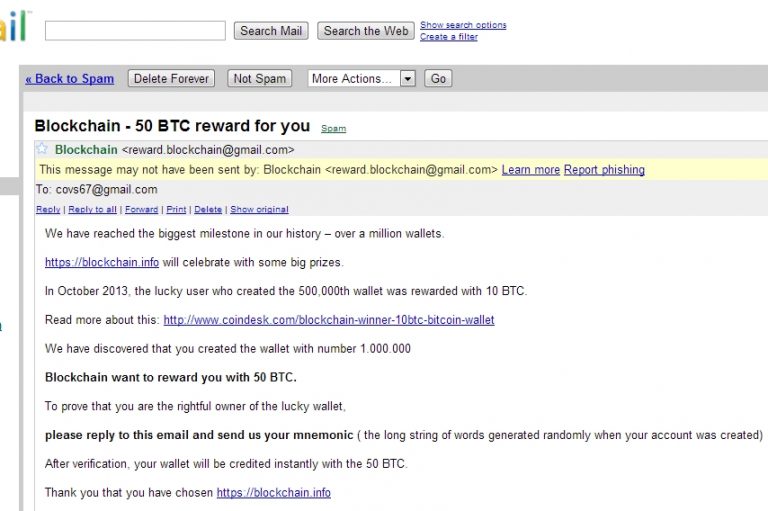
Phishing attacks involve tricking individuals into revealing sensitive information such as private keys or passwords, usually through deceptive emails or fake websites that mimic legitimate services.An infamous phishing campaign occurred in 2017 when attackers created a fake version of the popular cryptocurrency exchange Binance. Users were directed to a site that looked identical to Binance’s official site and were prompted to log in.
Once the attackers obtained their credentials, they drained the users’ accounts of Bitcoin and other cryptocurrencies.
Fake Exchanges
Fake exchanges are fraudulent platforms that mimic legitimate cryptocurrency exchanges to trick users into depositing funds. These scams often promise attractive trading conditions but eventually disappear with the investors’ money. A prominent example is the exchange called Coin.mx, which was revealed as a scam in 2015. It offered users a platform to trade Bitcoin and other cryptocurrencies, but in reality, it was a front for money laundering and fraud.
Many users lost significant amounts of funds before regulators intervened.
Distinguishing Genuine Opportunities from Scams
Identifying genuine investment opportunities often requires scrutiny of several key characteristics. Legitimate projects typically have clear documentation, transparent operations, and verifiable team members. Key factors to consider include:
- Transparency: Genuine projects disclose their technology, business model, and team members.
- Regulatory Compliance: Legitimate exchanges and investment opportunities comply with local regulations.
- Realistic Returns: If an investment promises returns that seem too good to be true, it likely is.
- Community Feedback: Check for reviews and feedback from existing users or industry experts.
- Secure Platforms: Ensure that the website has security measures like two-factor authentication and SSL encryption.
Always conduct thorough research and due diligence before investing in any cryptocurrency project.
Warning Signs of Bitcoin Scams
Being aware of the warning signs of bitcoin scams is crucial for safeguarding your investments and financial wellbeing. As cryptocurrency continues to grow in popularity, so does the number of scams targeting unsuspecting users. Recognizing these red flags can help you avoid falling victim to fraudulent schemes that promise unrealistic returns or require personal information.Several common indicators can hint at potential scams in the bitcoin realm.
These warning signs not only help individuals identify suspicious offerings but also educate potential investors on the characteristics of legitimate opportunities versus scams. Understanding these signs is key to making informed financial decisions.
Common Warning Signs of Bitcoin Scams
It is essential to recognize certain warning signs when evaluating potential bitcoin investments. Below are common red flags that may indicate a scam:
- Guaranteed Returns: If an investment promises guaranteed returns, especially those that seem too good to be true, it is likely a scam. Legitimate investments come with risks.
- Pressure to Invest Quickly: Scammers often create a sense of urgency, pushing you to invest before you have time to think or do proper research.
- Lack of Transparency: If the investment strategy or business model is unclear, or if you can’t find reliable information about the company, be cautious.
- Unsolicited Offers: Receiving offers through social media, email, or messages from unknown sources is a significant red flag.
- Complicated Withdrawal Process: If withdrawing your funds is challenging or comes with high fees, it may indicate a scam.
Red Flags Table for Bitcoin Investments
Understanding the warning signs can aid in making informed decisions. The table below summarizes key red flags to look for when considering a bitcoin investment:
| Red Flag | Description |
|---|---|
| High Returns with Low Risk | Claims of high returns with minimal risk should be scrutinized, as high returns typically come with high risk. |
| No Clear Business Model | Vague or poorly defined business plans can signify a lack of legitimacy. |
| Unregistered Investments | Ensure that any investment opportunity is registered with appropriate regulatory bodies. |
| Anonymous Team | A legitimate company typically has identifiable team members with verifiable backgrounds. |
| Pressure Tactics | Being urged to invest quickly or without sufficient information is a significant warning sign. |
Case Studies and Analysis of Warning Signs
Analyzing real-life scams can provide valuable insights into the warning signs that were overlooked. One notorious case is the BitConnect Ponzi scheme, which promised investors incredibly high returns. Many individuals were lured in by testimonials and aggressive marketing, while the lack of a clear business model and refusal to allow withdrawals became significant red flags as the scheme unraveled.Another example is the PlusToken scam, which predominantly targeted investors in Asia.
The scheme used social media and chat apps to promote its fraudulent offerings, emphasizing guaranteed profits and high returns. Eventually, it became evident that the operators were anonymous and the business model was convoluted. These cases highlight the importance of vigilance and due diligence when engaging with bitcoin investment opportunities.
Impact of Bitcoin Scams on Investors
Bitcoin scams not only rob individuals of their hard-earned money but also leave lasting emotional and financial scars. The allure of quick profits has made many investors vulnerable to deceitful schemes that promise high returns with minimal risk. Unfortunately, the reality is far different, and the repercussions are severe, affecting multiple aspects of victims’ lives.The financial implications of falling victim to a bitcoin scam can be devastating.
Victims often lose substantial sums of money, which can lead to severe financial strain. According to the Federal Trade Commission (FTC), U.S. consumers lost over $80 million to cryptocurrency-related scams in 2021 alone, highlighting the scale of the problem. In 2022, reports indicated that losses increased significantly, with some estimates suggesting losses exceeded $1.5 billion globally from various forms of cryptocurrency fraud.
Emotional and Psychological Consequences
The emotional toll on scam victims is often overlooked but can be just as damaging as the financial losses. The feelings of regret, shame, and anger can lead to prolonged distress. Victims may experience anxiety or depression as they come to terms with their losses. Rebuilding trust, both in themselves and in future investment opportunities, can be a long and painful process.
The long-term consequences of encountering a bitcoin scam can manifest in various ways. Victims may find it challenging to regain their financial footing, often leading to a cycle of debt. Additionally, trust issues may extend beyond financial matters, affecting personal relationships and overall mental health. Reassessing one’s financial strategy becomes necessary, but the lingering fear of being scammed again can hinder meaningful investment decisions.
“Victims of bitcoin scams not only suffer financial losses; they also endure emotional trauma that can last for years.”
Awareness and education are crucial in mitigating these impacts. Understanding the psychology behind scams, recognizing red flags, and sharing experiences within communities can empower potential investors to protect themselves against similar threats in the future.
Prevention Strategies Against Bitcoin Scams
As cryptocurrency continues to gain traction, the risk of falling victim to scams has also increased. However, there are proactive strategies that individuals can employ to reduce their chances of being scammed. Understanding how to protect oneself is crucial for anyone interested in investing in Bitcoin or other cryptocurrencies.Conducting thorough research before making any investment is essential. This step not only includes studying the cryptocurrency market but also assessing the credibility of platforms and opportunities available.
Below are some strategies that can help individuals safeguard their investments in Bitcoin from potential scams.
Researching Cryptocurrency Opportunities
Engaging in comprehensive research before investing can significantly lower the risk of falling prey to scams. Below are important aspects to consider:
- Verify Backgrounds: Look for information about the founders and team behind the cryptocurrency project. Check their professional history and credentials to ensure they are legitimate.
- Check for Regulatory Compliance: Ensure that the platform or coin complies with local regulations. Legitimate businesses typically have necessary registrations and licenses.
- Analyze Whitepapers: A credible cryptocurrency project should have a well-detailed whitepaper explaining its purpose, technology, and vision. This document should be clear and transparent.
- Review Community Feedback: Search for reviews and discussions in forums or social media groups. Feedback from early adopters can provide valuable insights into the project’s credibility.
- Investigate Previous Incidents: Research if there have been any previous scams or issues associated with the project or platform. A history of problems can be a red flag.
Assessing Platform Credibility
Evaluating the credibility of a Bitcoin platform is critical before investing. Here are factors to consider when assessing a platform:
- User Experience: A legitimate platform should have a clear, user-friendly interface. Complicated navigation or poor design may indicate a scam.
- Security Measures: Check for security features like two-factor authentication (2FA) and SSL encryption. These are essential to protect user data and funds.
- Customer Support: Reliable platforms usually offer responsive customer support. Evaluate their availability and willingness to assist users.
- Transaction Transparency: Ensure that the platform discloses transaction fees and provides a clear overview of how transactions are processed.
- Partnerships and Endorsements: Look for partnerships with reputable financial institutions or endorsements from recognized figures in the crypto space, which often indicate credibility.
“Investing in cryptocurrency without proper research is like sailing into uncharted waters without a map; it’s risky and could lead to serious losses.”
By implementing these prevention strategies, individuals can create a safer investment environment for themselves and significantly reduce their risk of falling victim to Bitcoin scams.
Legal and Regulatory Response to Bitcoin Scams
The rise of Bitcoin and other cryptocurrencies has led to a surge in financial scams targeting unsuspecting investors. Legal frameworks and regulations are crucial in combating these fraudulent activities and protecting consumers. Countries around the world have begun to implement various strategies to regulate cryptocurrency transactions and enhance security in the market.The legal response to Bitcoin scams includes a combination of consumer protection laws, anti-fraud measures, and specific regulations tailored to cryptocurrency.
Regulatory bodies are working to create a safer environment for investors by enforcing compliance among cryptocurrency exchanges and platforms.
Current Legal Frameworks and Regulations
Many countries have established legal frameworks to address the challenges posed by Bitcoin scams. These regulations generally focus on ensuring transparency in cryptocurrency transactions and holding scammers accountable. Key components of these frameworks include:
- Licensing Requirements: Many jurisdictions now require cryptocurrency exchanges to obtain licenses to operate legally. This helps regulators monitor their activities and ensure compliance with anti-money laundering (AML) and know your customer (KYC) regulations.
- Consumer Protection Laws: These laws are designed to safeguard investors against fraudulent schemes and scams. Authorities often provide guidelines on how to recognize potential scams and what steps to take if one is encountered.
- Criminal Prosecution: Scammers can face serious legal consequences, including fines and imprisonment. Authorities are increasingly taking legal action against individuals and organizations involved in fraudulent cryptocurrency operations.
Comparative Analysis of Regulatory Approaches
Different countries have adopted various regulatory approaches to handling Bitcoin scams and cryptocurrency in general. Here’s how some of them compare:
- United States: The U.S. has a fragmented regulatory landscape, with different states implementing their own regulations. The Securities and Exchange Commission (SEC) and the Commodity Futures Trading Commission (CFTC) play significant roles in overseeing cryptocurrency activities.
- European Union: The EU aims for a harmonized approach to cryptocurrency regulation through the Markets in Crypto-Assets (MiCA) regulation, which establishes clear guidelines for crypto assets and aims to enhance consumer protection.
- China: China has taken a more aggressive stance by banning most cryptocurrency transactions and Initial Coin Offerings (ICOs) since 2017, focusing on controlling financial risks and maintaining social stability.
Recent Legal Actions Against Scammers
Recent years have seen numerous legal actions taken against scammers involved in cryptocurrency fraud. Some notable cases include:
- BitConnect: In one of the most infamous Ponzi schemes, BitConnect was shut down in 2018, leading to criminal charges against its promoters. Authorities seized assets worth millions of dollars from involved individuals.
- OneCoin: The OneCoin scam, which defrauded investors of billions globally, led to multiple arrests across countries. The founder, Ruja Ignatova, remains a fugitive, while her associates have faced various legal repercussions.
- PlusToken: This crypto Ponzi scheme, which operated primarily in Asia, reportedly defrauded investors of approximately $2 billion. Chinese authorities have arrested several key figures behind PlusToken, and investigations are ongoing.
Reporting and Recovering from Bitcoin Scams

Bitcoin scams continue to plague the cryptocurrency landscape, causing significant financial losses for unsuspecting investors. Reporting these scams not only helps victims but also serves to protect potential future victims. The importance of taking action against scammers cannot be overstated, as it aids law enforcement in tracking down these criminals and contributes to a safer cryptocurrency environment.Reporting a bitcoin scam involves notifying the appropriate authorities, such as local law enforcement and regulatory agencies.
This step is crucial because it can help initiate investigations and may lead to the recovery of lost assets. Victims should gather all relevant information, including transaction details, communications with the scammer, and any other evidence that may assist in the investigation.
Process of Reporting a Bitcoin Scam
Victims should follow a systematic approach when reporting a bitcoin scam. The following steps Artikel the reporting process:
1. Collect Evidence
Gather all communications with the scammer, transaction IDs, wallet addresses, and any other documentation that supports your claim. This information is vital for authorities to take action.
2. Contact Local Law Enforcement
Reach out to your local police department to file a report. Provide them with all gathered evidence and be prepared to answer their questions regarding the scam.
3. Report to Regulatory Bodies
In many countries, there are financial regulatory authorities that oversee cryptocurrency transactions. For example, in the United States, you can report scams to the Federal Trade Commission (FTC) or the Commodity Futures Trading Commission (CFTC).
4. Notify Cryptocurrency Exchanges
If you’ve sent funds to a wallet address associated with a particular exchange, contact that exchange immediately. While they may not be able to recover your funds, they can take action against the scammer’s account.
5. Inform Online Platforms
If the scam occurred on a social media platform or marketplace, report the scammer’s account directly to those platforms. This can prevent further scams from occurring.
Steps to Recover Lost Funds
Recovering funds lost to bitcoin scams can be extremely challenging, but victims can take proactive steps to attempt recovery. Although there is no guaranteed way to retrieve lost funds, the following measures can potentially aid in the recovery process:
1. Contact Your Bank or Credit Card Company
If you made a payment using a bank account or credit card, reach out to your financial institution as soon as possible. They may have mechanisms in place for disputing transactions related to scams.
2. Consult Legal Counsel
Seek advice from a lawyer who specializes in cryptocurrency or financial fraud. They can help you understand your rights and explore possible legal avenues for recovery.
3. Engage with Recovery Services
There are several professional recovery services that claim to assist victims of cryptocurrency scams in retrieving lost funds. Research such services thoroughly, as some may be scams themselves.
4. Join Victim Support Groups
Connecting with other victims can provide emotional support and valuable information sharing. Many online forums and social media groups exist for this purpose.
Resources for Victims of Cryptocurrency Scams
Victims of bitcoin scams can access various resources for support and information. The following list Artikels essential resources available:
Federal Trade Commission (FTC)
Offers guidance on reporting scams and protecting personal information.
CipherTrace
Provides intelligence on cryptocurrency scams and offers tips for safe trading.
Cointelegraph
Frequently publishes articles on recent scams, helping victims stay informed about the latest fraudulent schemes.
Bitcoin Abuse Database
A community-driven platform where victims can report and track bitcoin addresses associated with scams.
Local Consumer Protection Offices
Many regions have consumer protection agencies that can assist in reporting scams and providing guidance on next steps.
“Taking action against cryptocurrency scams not only aids individual victims but also strengthens the community’s defenses against future fraud.”
End of Discussion
In conclusion, understanding bitcoin scams is essential for anyone looking to invest in cryptocurrency. By recognizing the various types of scams, being aware of their warning signs, and implementing strong prevention strategies, investors can significantly reduce their risk of falling victim to fraud. The journey into cryptocurrency can be rewarding, but it also requires vigilance and education to ensure safety and financial well-being.
Questions Often Asked
What are common types of bitcoin scams?
Common types include Ponzi schemes, phishing attacks, fake exchanges, and investment fraud.
How can I identify a bitcoin scam?
Look for red flags such as unrealistic profit promises, lack of transparency, and pressure to invest quickly.
What should I do if I fall victim to a bitcoin scam?
Report the scam to authorities, gather evidence, and consider contacting a financial advisor for recovery options.
Are there any legal protections against bitcoin scams?
Legal protections vary by country, but many have regulations in place to protect consumers from fraud.
How much money is lost to bitcoin scams annually?
Billions of dollars are lost each year globally due to various bitcoin scams.